Queen Anne’s War Pirates: The Real History of Pirate Cats · Part 4
Port Royal was gone. Henry Every had vanished. The Pirate Round had shown the world that treasure could be taken on any ocean, and the stories were spreading. But in 1701, something happened that would do more to create pirates than any treasure map or buried chest ever could.
In 1700, the king of Spain died without an heir, and France’s Louis XIV put his own grandson on the Spanish throne. England, the Netherlands, and half of Europe said: absolutely not. If France and Spain were united under one family, they would control most of the Atlantic trade, most of the Caribbean, and a truly terrifying amount of naval power. So Europe went to war.
In the history books, they call it the War of the Spanish Succession. In the British colonies, where the fighting stretched from the frontier towns of New England to the harbors of the Caribbean, they called it Queen Anne’s War. Same war, two names. It lasted thirteen years. And when it ended, it left behind thousands of trained, experienced, heavily armed sailors with no jobs, no prospects, and a very particular set of skills.
This is the war that built the Golden Age of Piracy. Not because it created criminals. Because it created professionals, and then fired them.
Queen Anne’s War Pirates Begin: The War at Sea
The Caribbean, the Atlantic, and the American Colonies, 1702-1713
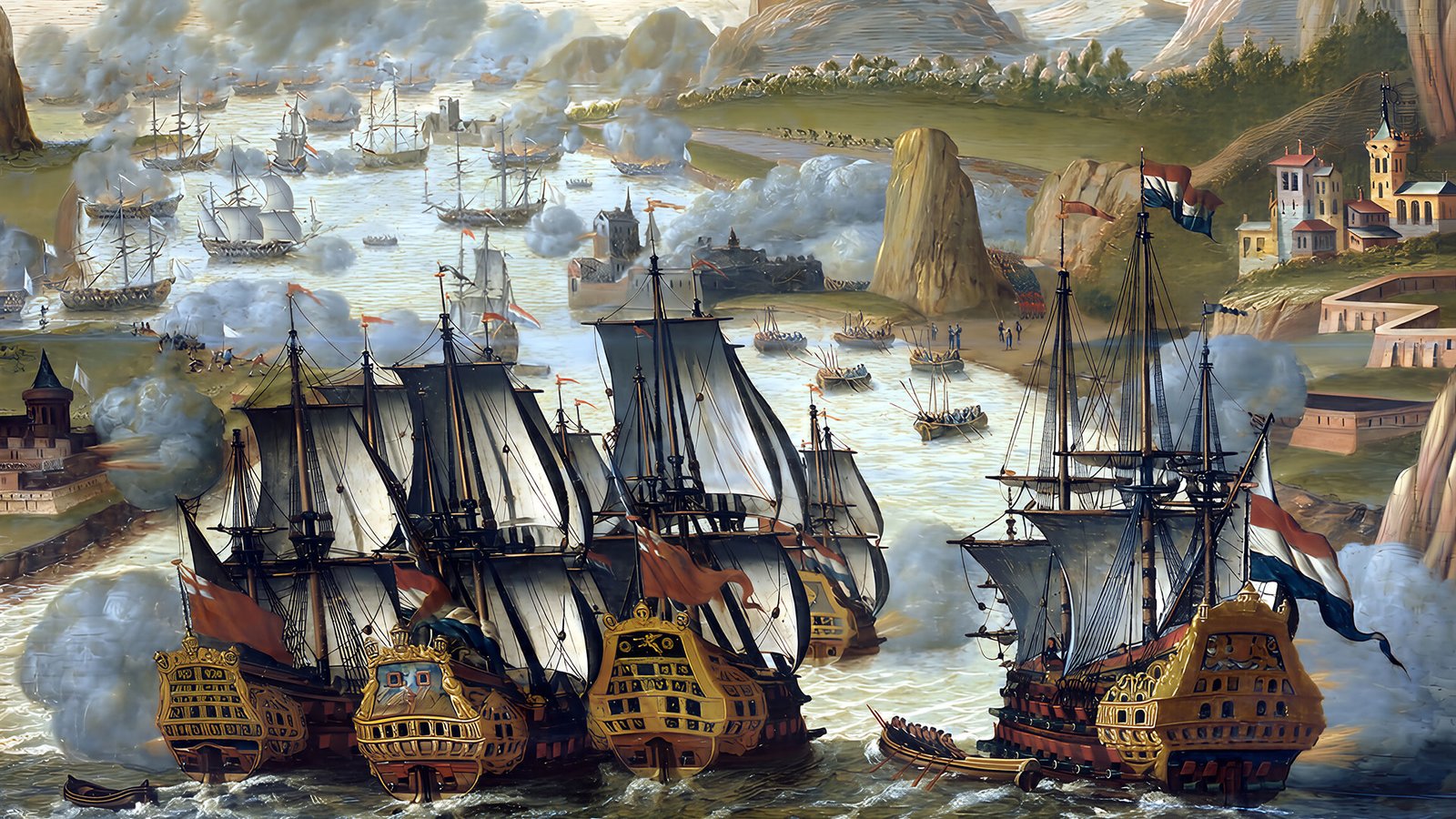
The land campaigns were brutal. The Deerfield Massacre of 1704, the sieges of St. Augustine and Port Royal, frontier raids that left entire towns in ashes. But it was the war at sea that created the pirates. Because in the Caribbean, the conflict had a different character. Every island was a strategic prize. Every shipping lane was contested. And none of the European powers had enough Navy ships to protect their colonies and fight the war at the same time.
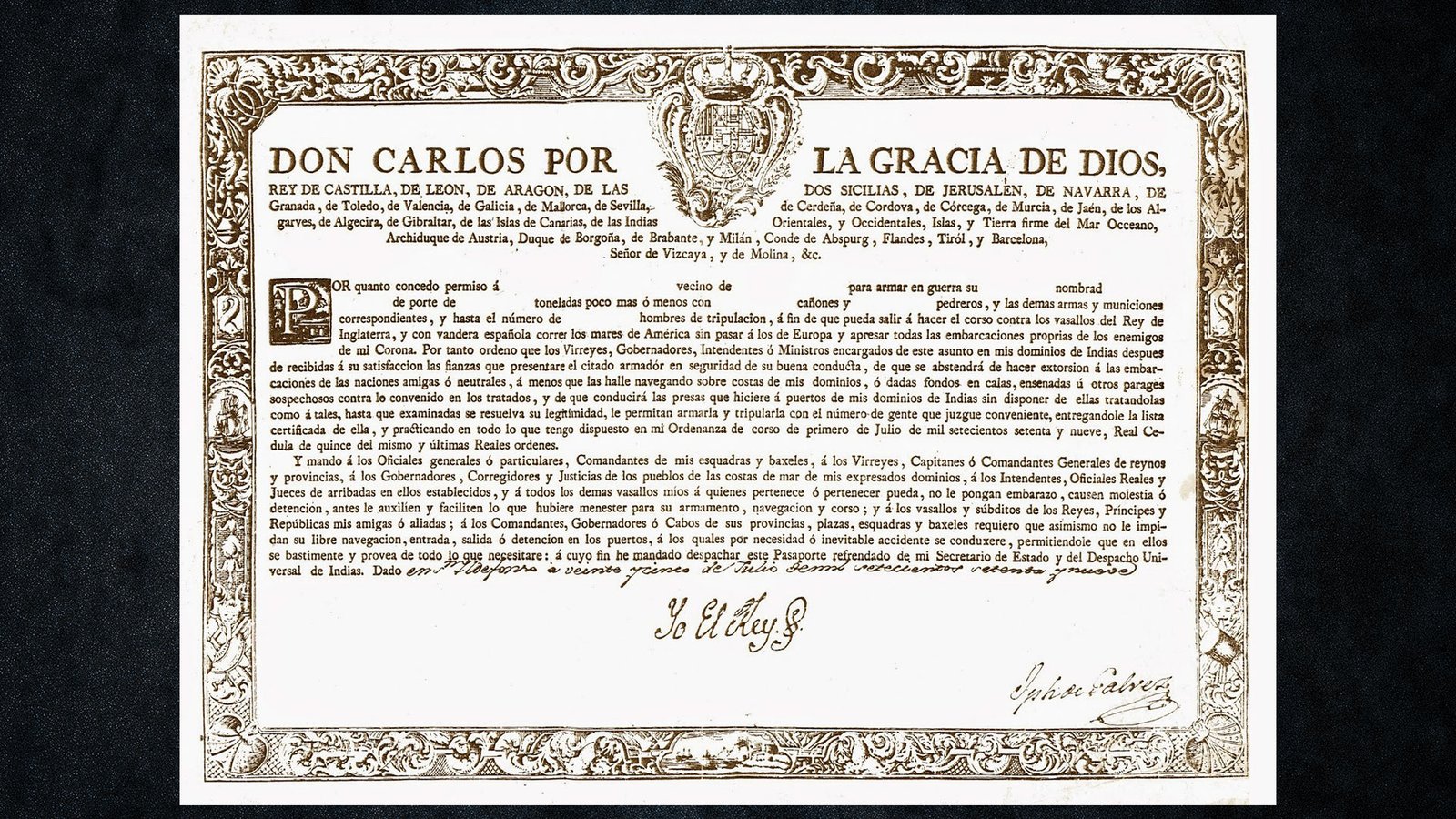
So they did what they always did. They handed out Letters of Marque.
Thousands of them. To anyone with a ship and the nerve to use it.
For thirteen years, privateering wasn’t just tolerated. It was encouraged, celebrated, and extremely profitable. If you had a ship and a Letter of Marque, you could attack enemy ships legally, keep a share of everything you captured, and come home a hero. The English attacked French and Spanish ships. France retaliated against England. The Spanish attacked everyone. I want you to picture the entire Caribbean as one enormous, chaotic, thirteen-year naval battle fought largely by private citizens with government paperwork.
War Cats
The cats on these ships were, for the first time, something close to professional military animals. Not the half-wild jungle cats of the buccaneer camps. Not the pampered dock cats of Port Royal. These were working cats on armed ships that spent months at sea, through broadside engagements, boarding actions, and the constant, grinding business of war. The cannons fired. Hulls shuddered. The rats multiplied in the hold. And the cat kept working, because someone had to.
A war cat didn’t flinch at cannon fire. It learned to ride the deck through a broadside, claws hooked into the planking, ears flat, and then go right back to work when the smoke cleared. Thirteen years of that will change an animal. It’ll change a person too. I think about those cats sometimes, curled up between the cannons while the crew slept, ears still ringing. They didn’t choose this life. But they were good at it.
Montserrat Burns
The Leeward Islands, July 1712
Now, here’s where this war touches the story we’re building.
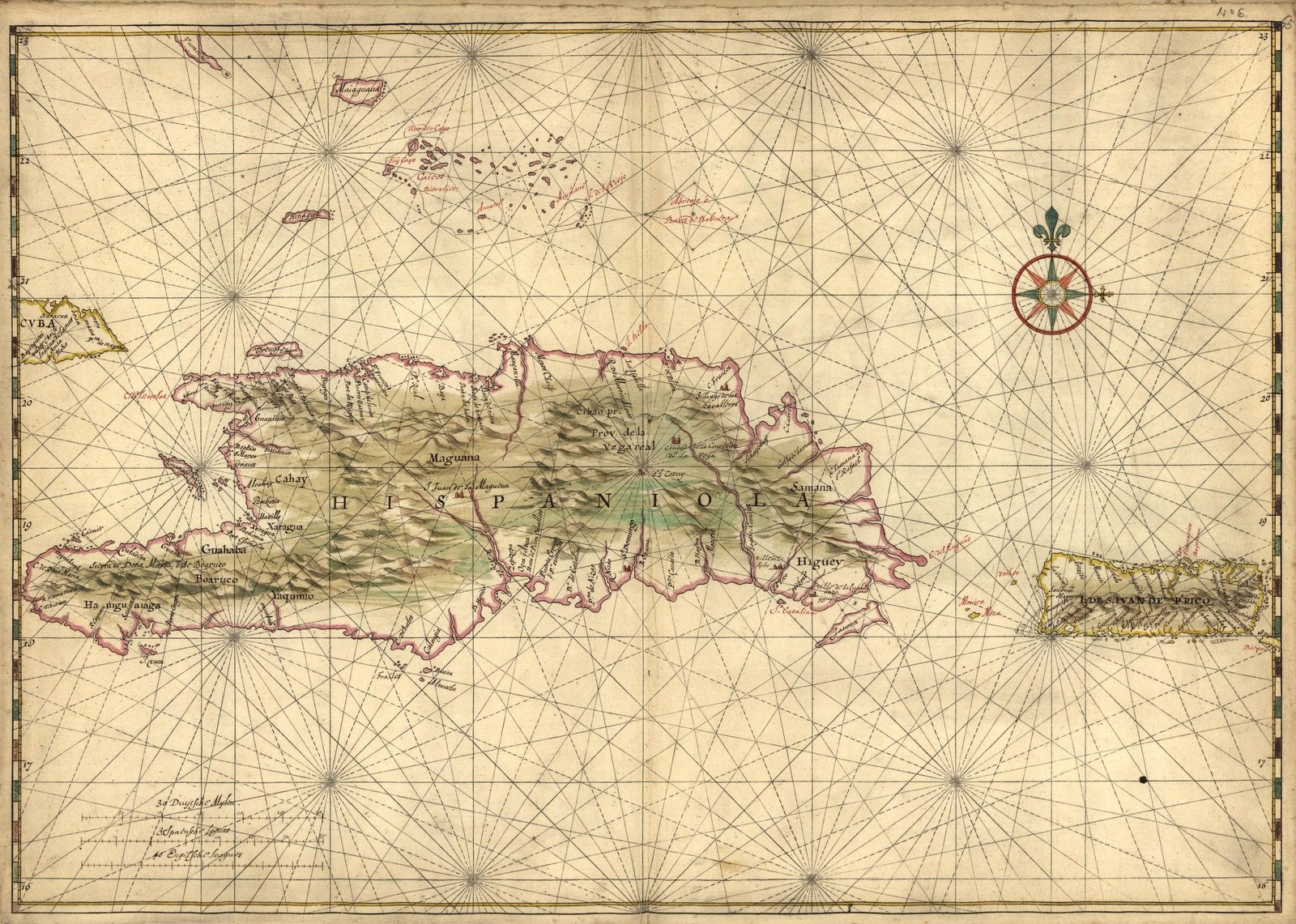
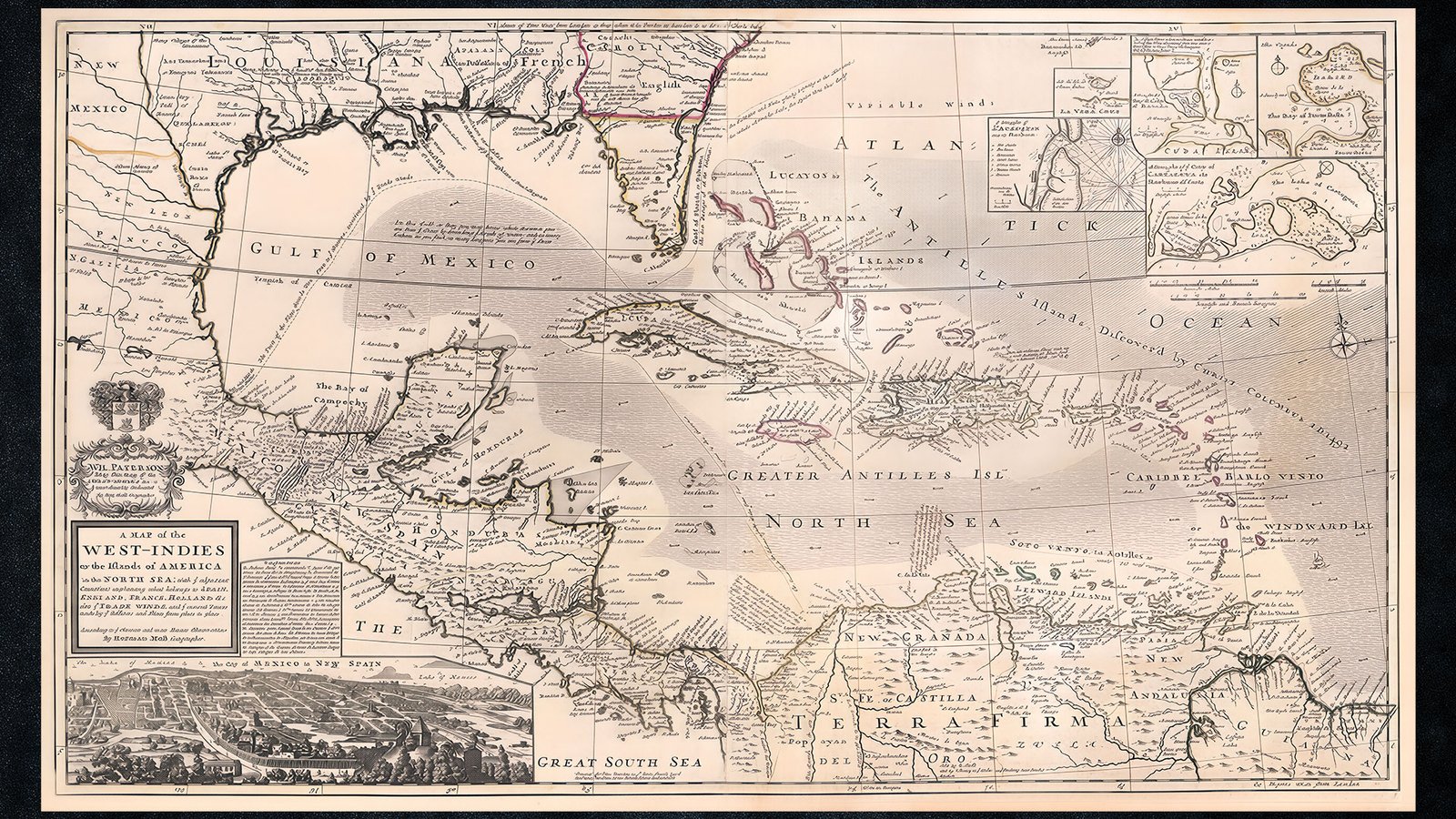
In the summer of 1712, a French naval expedition under Jacques Cassard swept through the Leeward Islands. Early in the morning of July 6th, a powerful squadron appeared off Antigua, attempted a landing at Willoughby Bay, and was driven back. Cassard turned his ships south.
He landed on Montserrat.
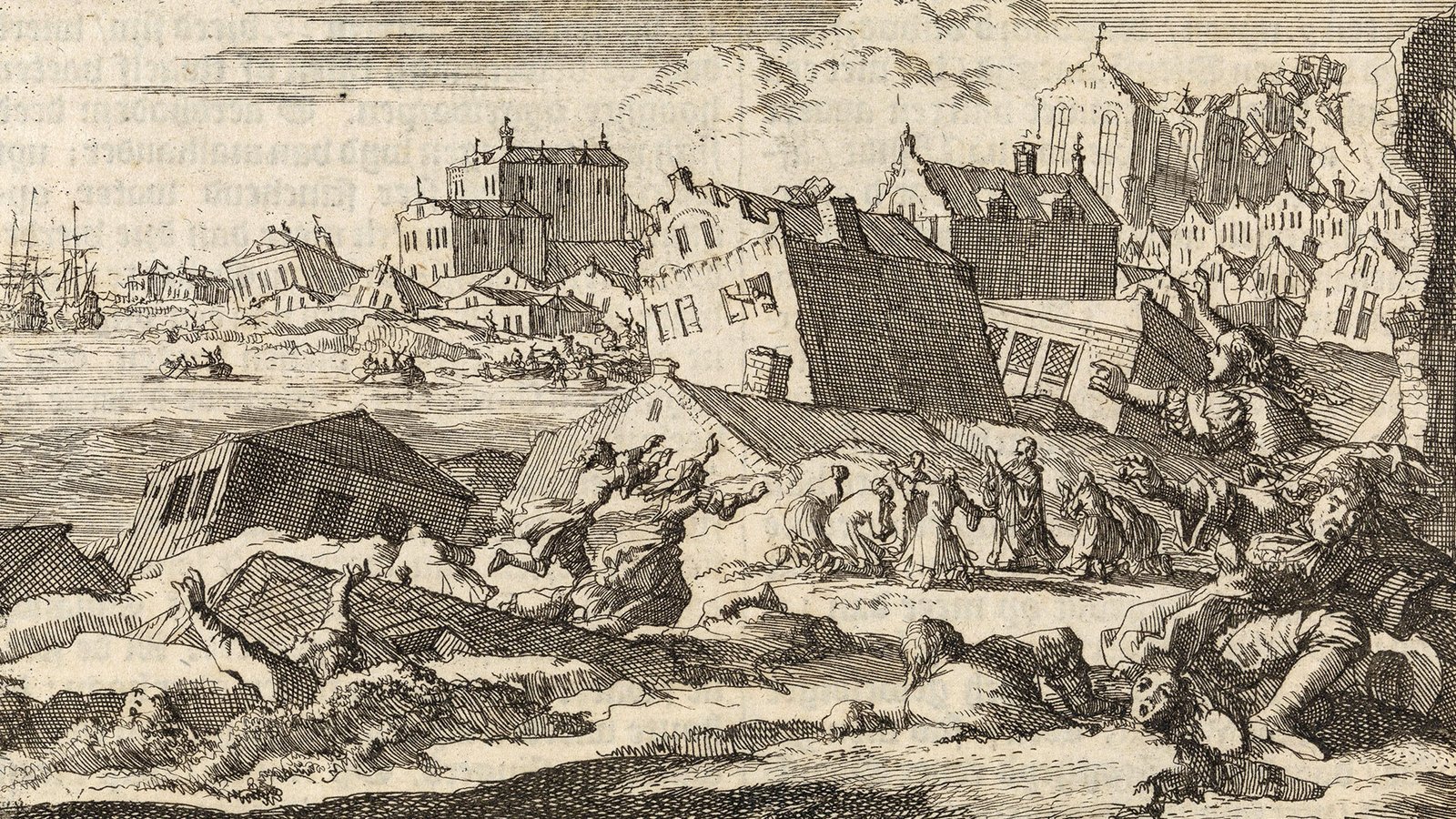
According to the Calendar of State Papers, over three thousand men came ashore at Plymouth and Carr’s Bay. The Montserrat militia, roughly 900 men, fought back hard and lost over 500 in the defense. Survivors retreated to a redoubt high in the Soufriere Hills called “The Garden,” while the French plundered and ravaged the island for twelve days.
I need you to understand the scale of this. The sugar plantations burned. Homes were looted. Livestock was slaughtered or taken. A force of 500 Caribs, recruited by the French, attacked from the opposite side of the island, trapping what remained of the population between two armies.
What Was Left
When the French finally left, Montserrat was devastated. Reparations promised under the Treaty of Utrecht the following year were never paid. Many of the smaller Irish farmers, already struggling, gave up entirely and abandoned the island. If you know anything about the Irish in the Caribbean, you know they’d already survived more than most. Even they couldn’t survive this.
For the cats of Montserrat, I imagine the 1712 attack as something close to apocalyptic. Twelve days of soldiers moving through every building, every barn, every storehouse. Fire, noise, chaos. The cats who survived did so the way cats always survive: by hiding, running, and being faster than everything else on the island. I’ve watched the cats of Old San Juan scatter at a car horn. Now multiply that by twelve days of musket fire.
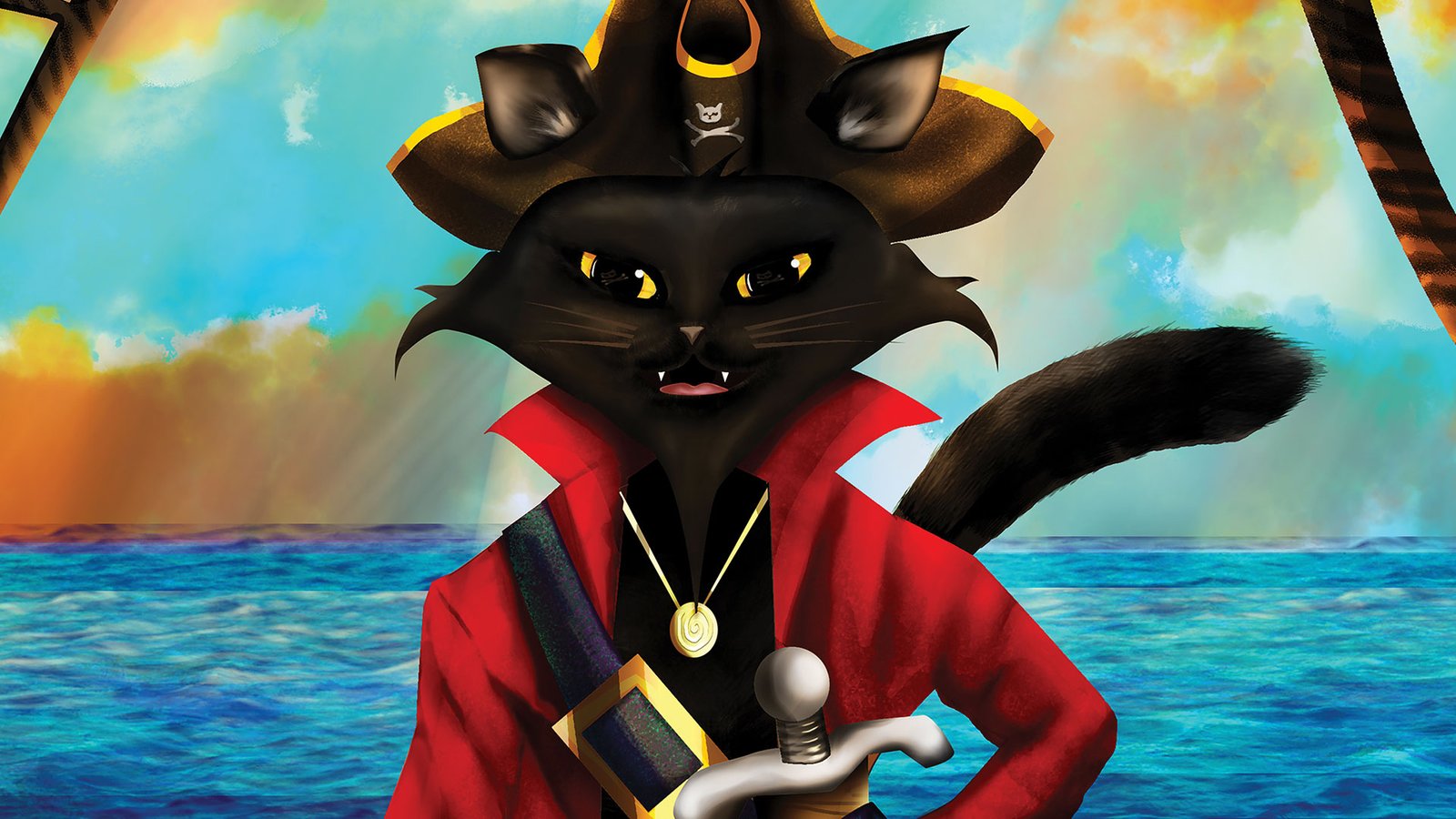
📖 Connection to The Cats of Old San Juan: Captain Kitty the Kid’s family line runs through Montserrat. His ancestors were sent to Barbados first, escaped to Montserrat, and his many-greats grandmother, Kitty the Cat, was the original pirate in the family. If her descendants were on Montserrat in 1712, they watched their world burn. Again. A family that had already lost Barbados now lost Montserrat. It would explain something about Captain Kitty that goes deeper than ambition or greed: the bone-deep certainty that anything you build can be taken from you, and the only safe place is on a ship, moving, with a sword in your paw.
The cat world moved at its own pace, of course. Cat kings had their own troubles, their own wars, their own treasure worth fighting over. But around 1720, when the human world’s Letters of Marque were drying up, the cat world still had a few left to give. Captain Kitty was one of the last privateers to receive one, sailing under his great friend, Cat King Fortunato of El Morro. He brought back treasure. He brought back glory. He somewhat resented sharing the plunder, but that was not what drove a wedge between himself and the King. That is for another book (Book 4), though it is worth mentioning, our good Captain’s actions put a nail in the cat-privateering proverbial coffin.
The Worst News in the World: Peace
Europe, 1713
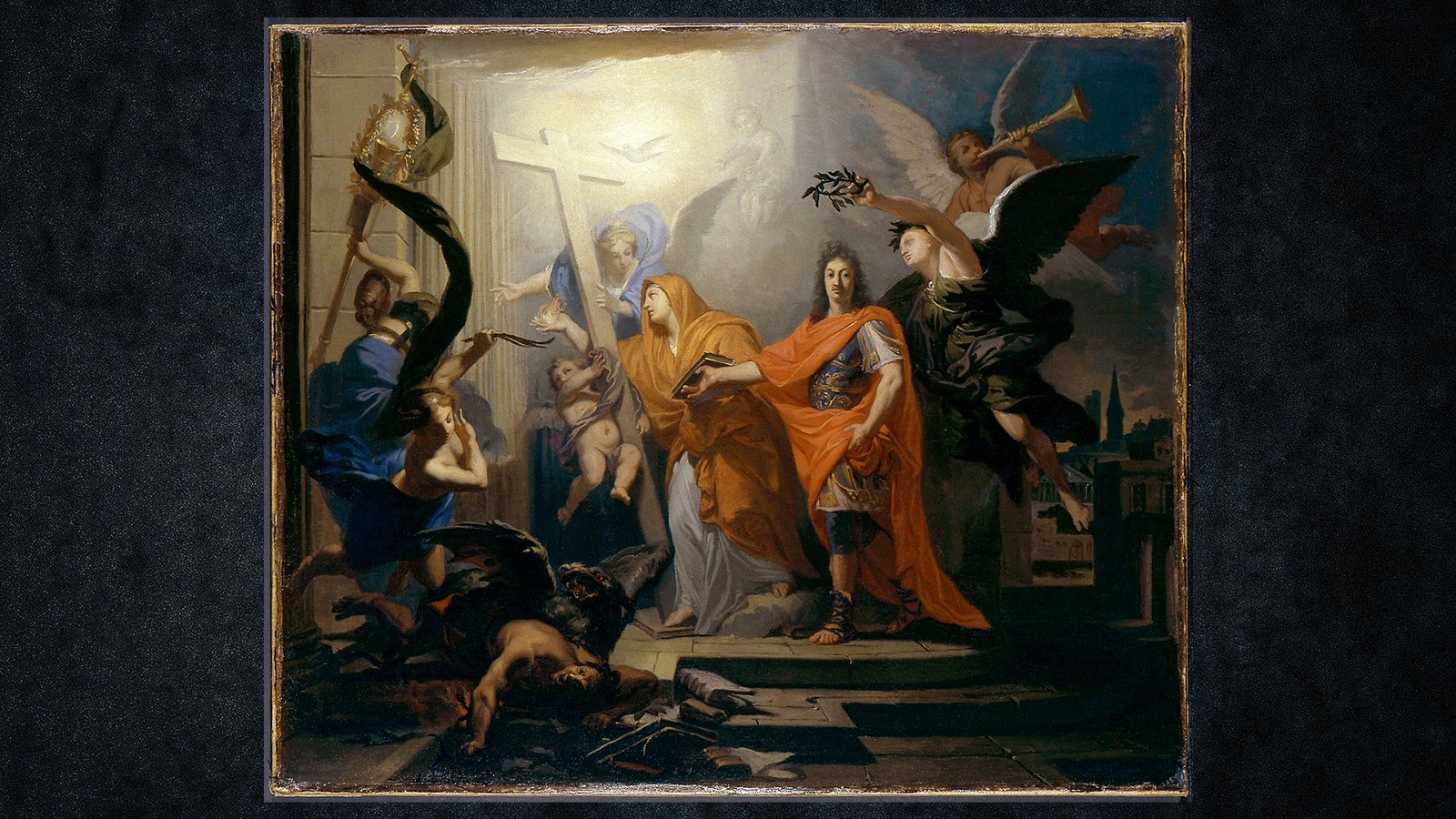
In April 1713, the major powers signed the Treaty of Utrecht, ending the war. Britain gained Nova Scotia, Newfoundland, the Hudson Bay territory, and the island of St. Kitts. France kept its fishing rights and a few smaller islands. Spain kept its throne but had to guarantee that the French and Spanish crowns would never unite. On paper, everyone was satisfied.
The kings and queens were satisfied. Diplomats were pleased.
The sailors were furious.
Almost overnight, the Letters of Marque were cancelled. Thousands of experienced privateers, men who had spent over a decade fighting, raiding, and capturing ships for their countries, were suddenly unemployed. One day you’re a patriot. The next, you’re a vagrant with a sword.
The colonial ports filled with idle sailors who had no work, no savings, and no interest in going back to merchant shipping, which paid a fraction of what privateering had earned them. Fast ships, weapons, crews who had trained together for years, knowledge of every cove and inlet and island hideout in the Caribbean. All of it still in their hands. And their governments had just told them that their services were no longer required.
The choice, for many of them, was simple. Keep doing exactly what you’ve been doing. Just stop pretending it’s legal.
The Crossing
A privateer who kept raiding after his Letter of Marque expired wasn’t a privateer anymore. He was a pirate. And in 1713 and 1714, thousands of Queen Anne’s War pirates made that crossing.
Their cats, of course, went with them.
Nobody asked the cats if they wanted to become outlaws. Nobody asked the sailors, either. That’s the thing about peace treaties signed in distant palaces. They change the rules, but they don’t change the people. A cat who had spent thirteen years on an armed ship didn’t suddenly become a house cat because a piece of paper was signed in Utrecht.
The Young Man Who Would Be Blackbeard
Somewhere in the Caribbean, 1714
Among those thousands of former privateers was a young English sailor whose real name was probably Edward Thatch, though even that is uncertain. He may have been born in Bristol around 1680. He may have grown up in Jamaica. Almost nothing about his early life is confirmed.
What we do know is that he served as a privateer during Queen Anne’s War, and that when the war ended, he didn’t go home. By the summer of 1717, the first primary source documents mention him by name: a pirate called Thatch, operating off the coast of North Carolina alongside the pirate captains Benjamin Hornigold and Stede Bonnet.
If you’ve heard his name, you already know what comes next. The beard grown long and wild. The slow-burning fuses woven into it before battle, wreathing his face in smoke. A ship called the Queen Anne’s Revenge, named for the war that made him and the queen who paid for it.
But that’s a story for the next post.
Why Queen Anne’s War Pirates Matter
For everything that comes after
Queen Anne’s War is the key that unlocks the entire Golden Age of Piracy. Without it, there are no Blackbeard, no Anne Bonny, no Calico Jack, no Bartholomew Roberts. If you removed thirteen years of government-sanctioned raiding, you’d have no trained crews. Take away the Treaty of Utrecht, and there’s no mass unemployment. Cancel those thousands of Letters of Marque, and there’s no desperate, angry, well-armed workforce looking for a new employer.
The Queen Anne’s War pirates didn’t come from nowhere. They were made. Trained by their own governments, used for over a decade, and then thrown away.
That’s not an excuse. But it is an explanation. And I think it matters, because the story we tell about pirates, about who they were and why they did what they did, starts right here.
🐱 Cat-History Fun Facts!
⚓ The Powder Monkeys: During a broadside engagement, the most dangerous job on the ship belonged to the youngest members of the crew. Powder monkeys were boys, sometimes as young as eight or ten, whose job was to run gunpowder cartridges from the magazine deep below the waterline up to the gun crews on deck. They were chosen because they were small enough to move fast through the cramped spaces between decks, and short enough to stay below the gunwale where enemy sharpshooters couldn’t pick them off.
They ran barefoot for speed, carrying bags of powder through smoke and noise and splintering wood, over and over, for as long as the battle lasted. The magazine itself was a sealed, copper-lined room kept deliberately damp to prevent sparks. No open flames were allowed anywhere near it. And no cats. If you’ve ever wondered whether there was a place on a ship where your cat wasn’t welcome, this was it. A curious animal knocking over a powder cartridge near a stray spark would end everyone’s voyage permanently.
More Cat-History Fun Facts
⚓ The Thirteen-Year Rat War: Ships at constant sea duty during Queen Anne’s War couldn’t dock for proper cleaning as often as peacetime ships could. The rat populations on wartime vessels were staggering. A single breeding pair of rats can produce over a thousand descendants in a year under ideal conditions. On a ship that stayed at sea for months at a time, the cats weren’t just useful. They were the only thing standing between the crew and starvation, because the rats would eat through every provision on board if left unchecked.
⚓ The Name on the Ship: When Blackbeard captured a French slave ship called La Concorde in November 1717, he renamed it the Queen Anne’s Revenge. That name wasn’t random. It was a statement. Queen Anne’s War had made men like Blackbeard into warriors, and then the peace had made them into criminals. I think about that name every time I see it in the historical record. You made us, and then you threw us away. It’s not a ship’s name. It’s an accusation.
What Comes Next
The fuse is lit. Thousands of former privateers are turning pirate. A young man named Edward Thatch is about to become the most feared name on the Atlantic. Nassau in the Bahamas is about to become a pirate republic. And the cats on those ships are about to sail into the most legendary decade in the history of piracy.
In the next post, we enter the Golden Age itself: the Nassau pirate republic, the Flying Gang, and the cats who had the run of the whole operation.
Stay tuned.
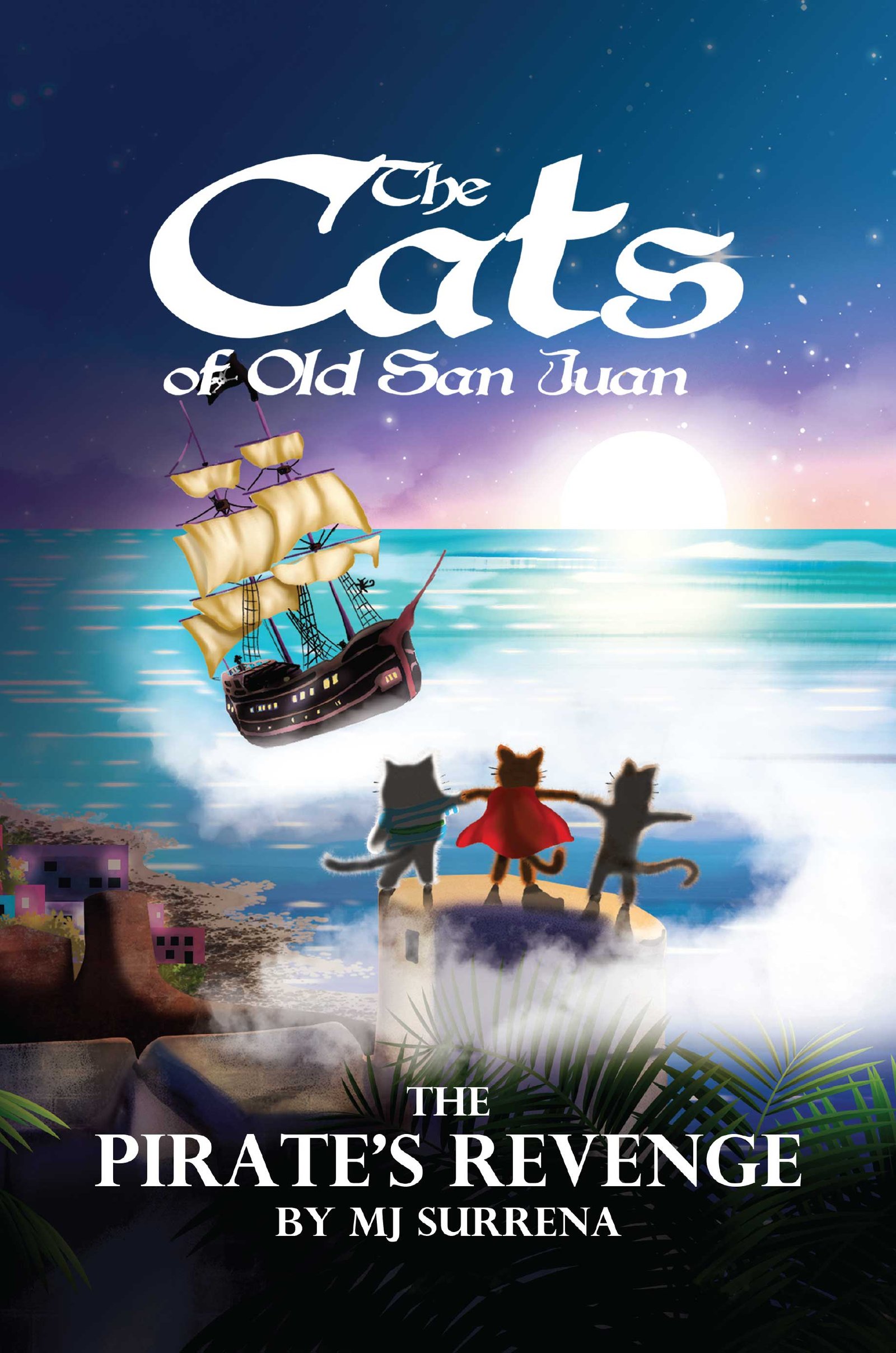
🏴☠️ Captain Kitty the Kid’s family came from Montserrat. They lost everything in this war. It made him the pirate he is. See where that story leads in The Pirate’s Revenge, the first book in The Cats of Old San Juan series. Signed hardcovers, audiobook, and Kindle available.