The Real History of Port Royal Pirates · Part 2
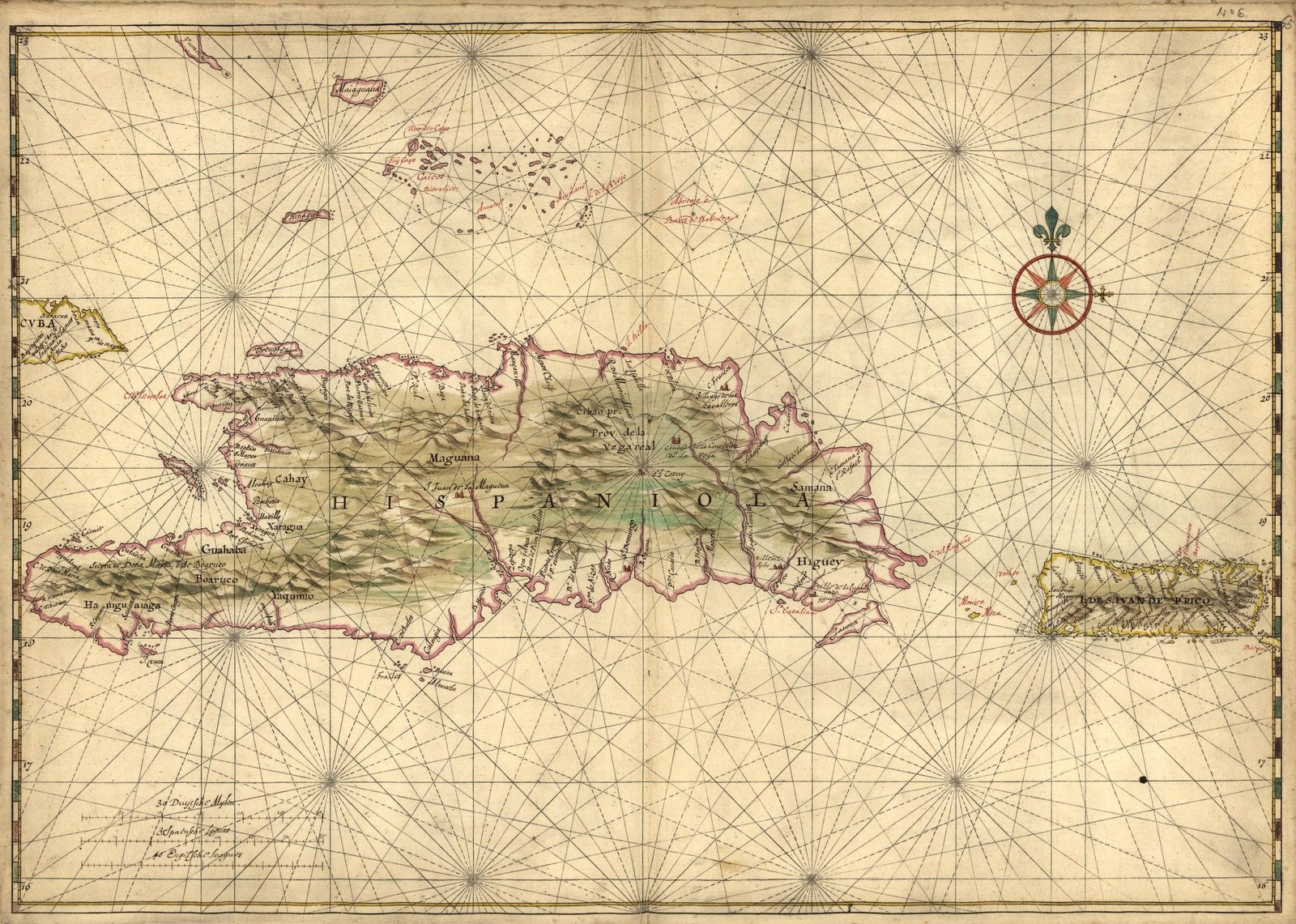
In the last post, we left our cats clinging to the deck of a stolen Spanish ship, the jungle shrinking behind them and the open sea stretching ahead. They were wild things. Smoke-stained, rat-fed, still half feral from the buccaneer camps of Hispaniola. But the Caribbean was changing. Indeed, empires were making their moves, and the buccaneers were about to get something they never expected: a job offer. This is the story of the Port Royal pirates, and the cats who got rich alongside them.
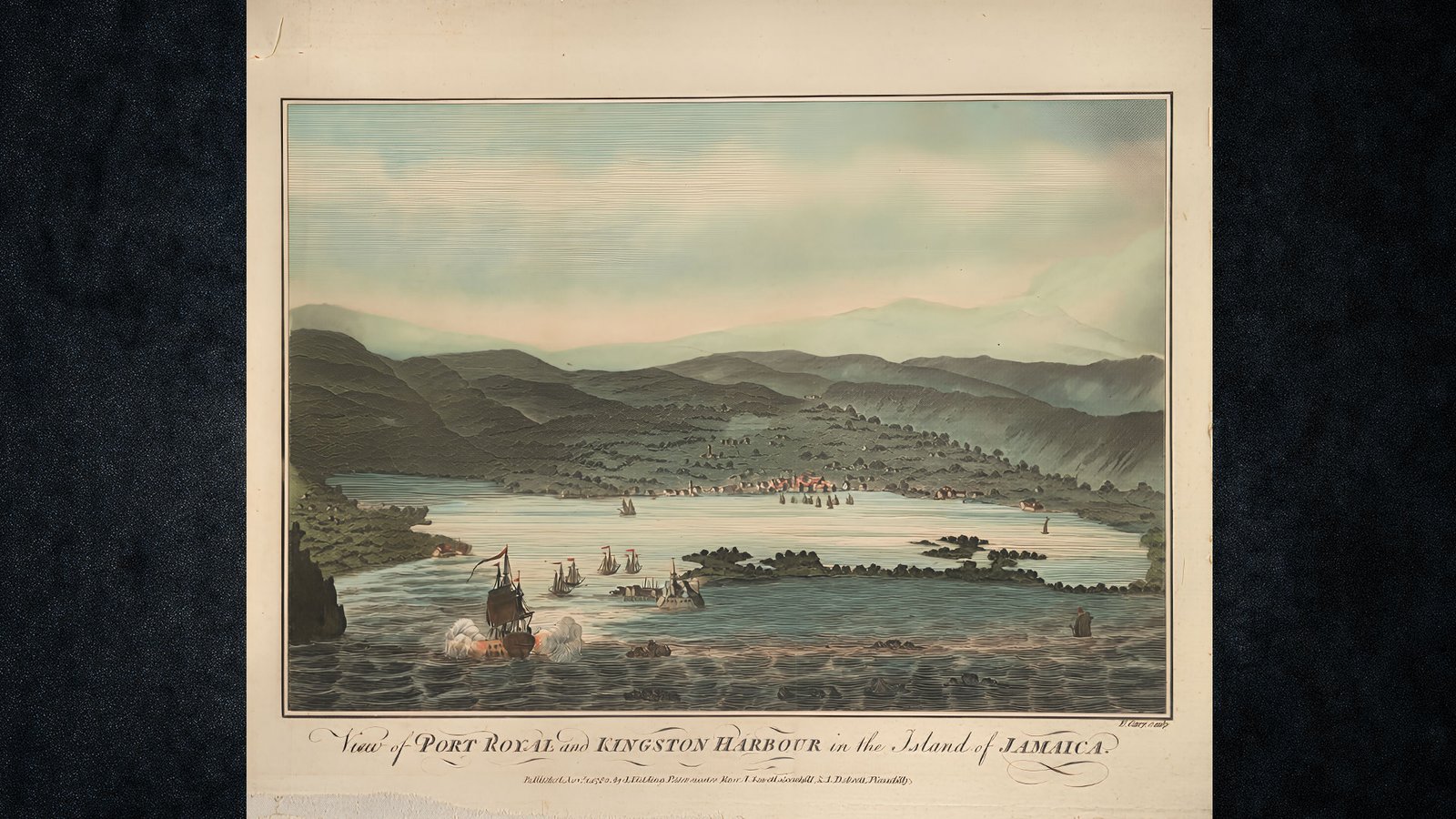
Specifically, this is the story of Port Royal, Jamaica. The richest, loudest, most reckless city in the Americas. A city built on sand and stolen gold, where a pirate could drink rum for breakfast and dine with the Governor by sunset. A city that made its cats fat and happy and famous.
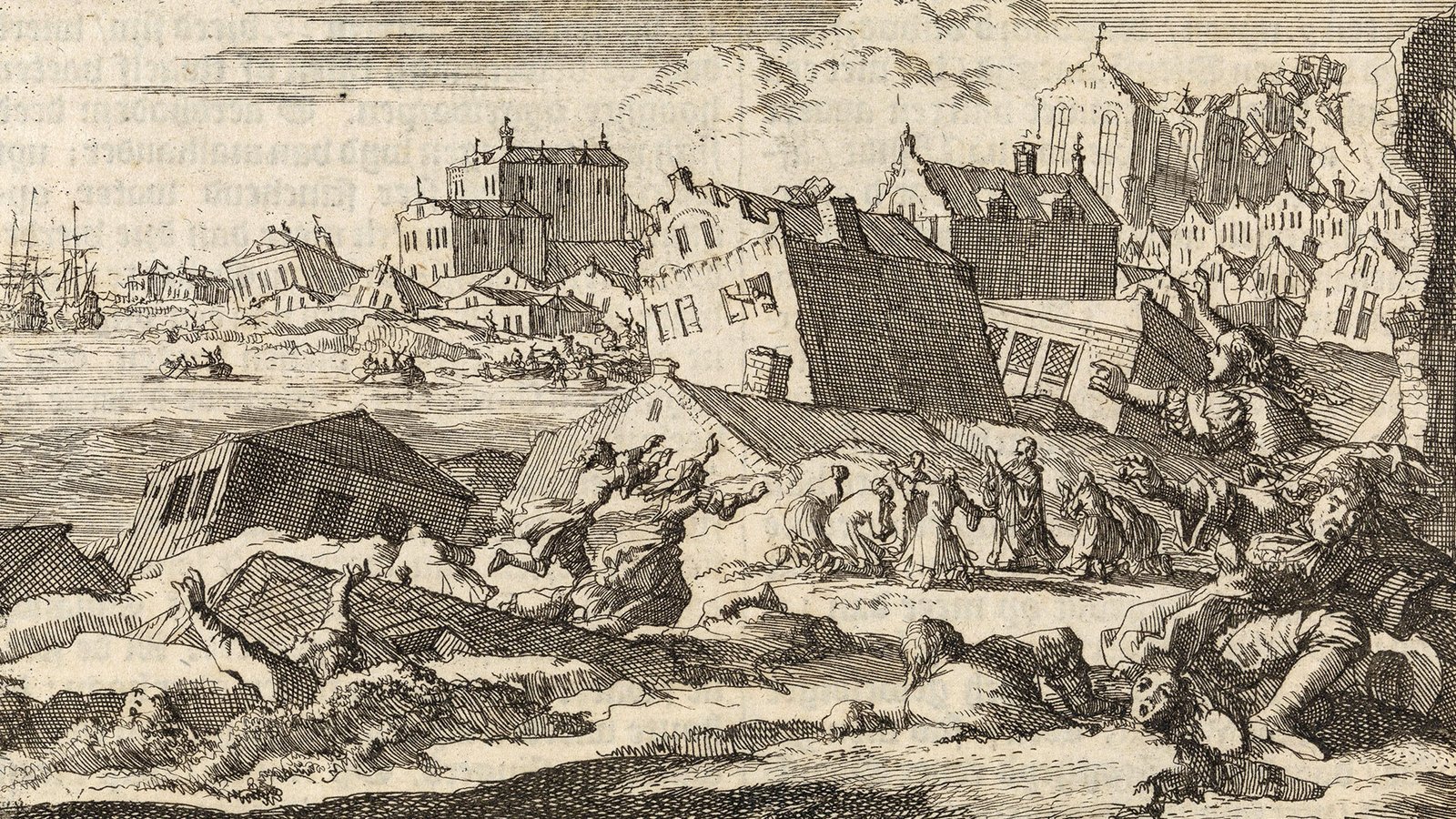
And then, suddenly, the ground opened up and swallowed it whole.
Pirates with Paperwork: How Port Royal Pirates Got Legal
Port Royal, the 1660s
In 1655, England captured Jamaica from Spain. It wasn’t a glorious victory; in fact, the English had actually failed to take Hispaniola first and grabbed Jamaica as a consolation prize. But now they had a problem. Jamaica was a big island in the middle of Spanish waters, and England didn’t have enough warships to protect it.
So the Governor did something clever and slightly mad. He invited the buccaneers in.
Starting in 1657, Governor Edward D’Oyley offered the hunters and raiders from Hispaniola and Tortuga a deal: come to Port Royal, make it your home, and we’ll give you official paperwork, Letters of Marque, that make your piracy legal. The only catch? You could only attack Spanish ships.
As a result, these former outlaws were now privateers. Same swords, same ships, same ruthlessness, but with a government stamp of approval. They weren’t pirates anymore. They were, in the most generous possible interpretation, the island’s navy.
And their cats? Well, if a privateer was technically government-sanctioned, then a privateer’s cat was technically a government cat. Make of that what you will.
The Wickedest City on Earth
Port Royal, the 1660s–1680s
The English built Port Royal on a strip of sand so narrow and low that the water table sat just two feet below the surface. They knew it. They called it “hot loose sand.” They built on it anyway: brick buildings, stone warehouses, multi-story houses. After all, the harbor was deep and perfectly positioned for ships coming and going from the Spanish Main.
By the 1680s, Port Royal had roughly 6,500 people crammed into 51 acres. Remarkably, there was one tavern for every ten residents. In a single year, 1661, the city issued forty new tavern licenses. Meanwhile, ships arrived every other day. Gold and silver flowed so freely that people used hard coin for every transaction instead of bartering. Overall, it was, by some accounts, the second-largest English city in the Americas, after Boston.
Naturally, contemporary writers called it the “wickedest city on earth.” The “Sodom of the New World.” Indeed, one observer claimed that even the parrots of Port Royal had learned to slur, drinking from open casks alongside the sailors.
Paradise for a Cat
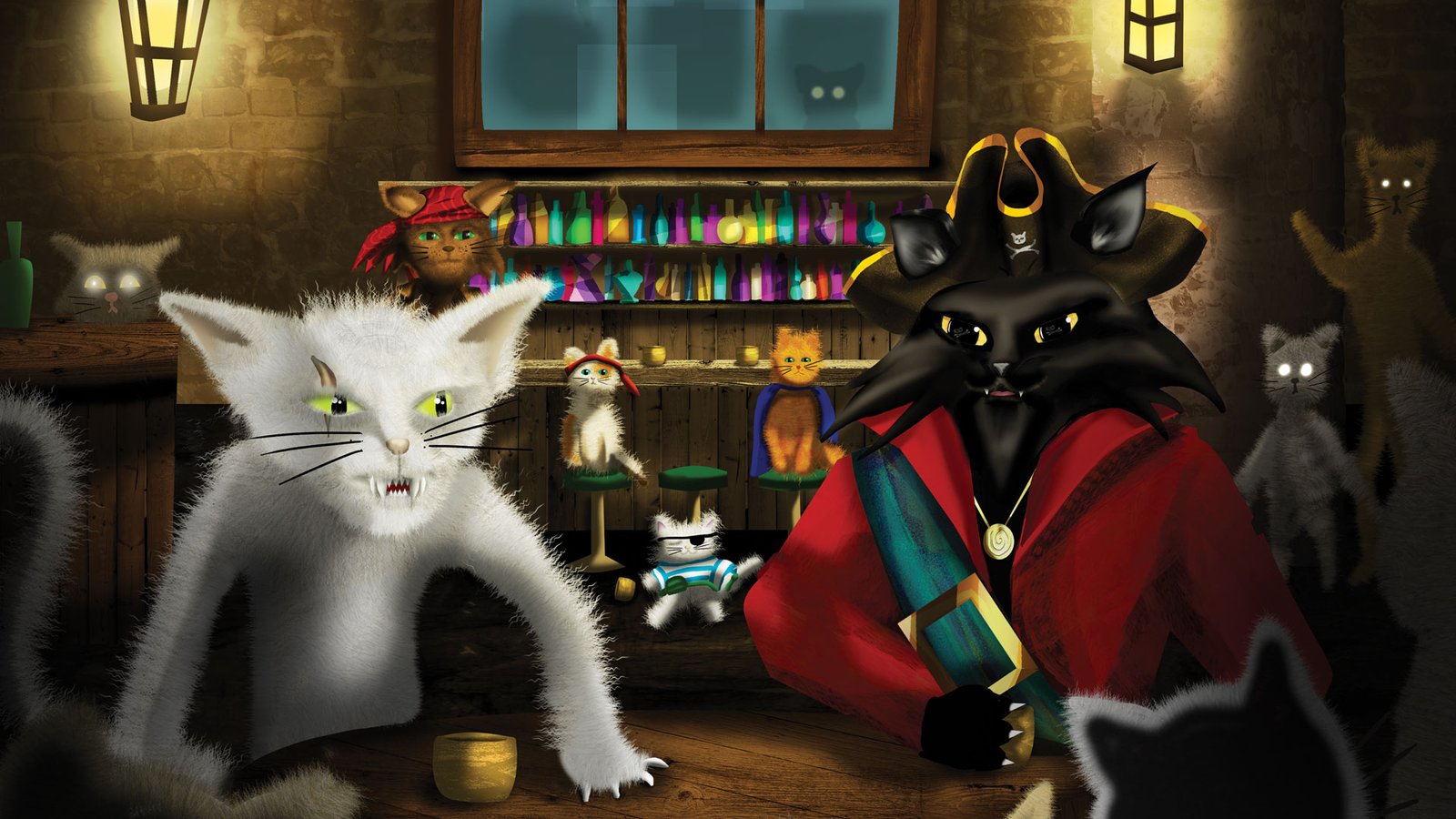
For a cat, however, it was paradise. The docks alone were a feast. Hundreds of ships meant hundreds of bilge rats making landfall, confused and disoriented, easy prey. Furthermore, the warehouses overflowed with goods that needed guarding. And the Port Royal pirates, flush with Spanish gold, had developed a taste for comfort. Consequently, their ships were cleaner, better provisioned, better crewed. A good ship’s cat wasn’t just tolerated anymore. Now it was valued.
I like to think about those cats on the docks of Port Royal, perched on coils of rope, watching the harbor with half-closed eyes, the sun warm on their fur. Not wild jungle cats anymore. Port Royal cats. City cats. Cats who had figured out that the easiest way to survive is to make yourself indispensable to the people with the gold.
Henry Morgan: The Pirate Who Became the Law
Port Royal & the Spanish Main, 1668–1688
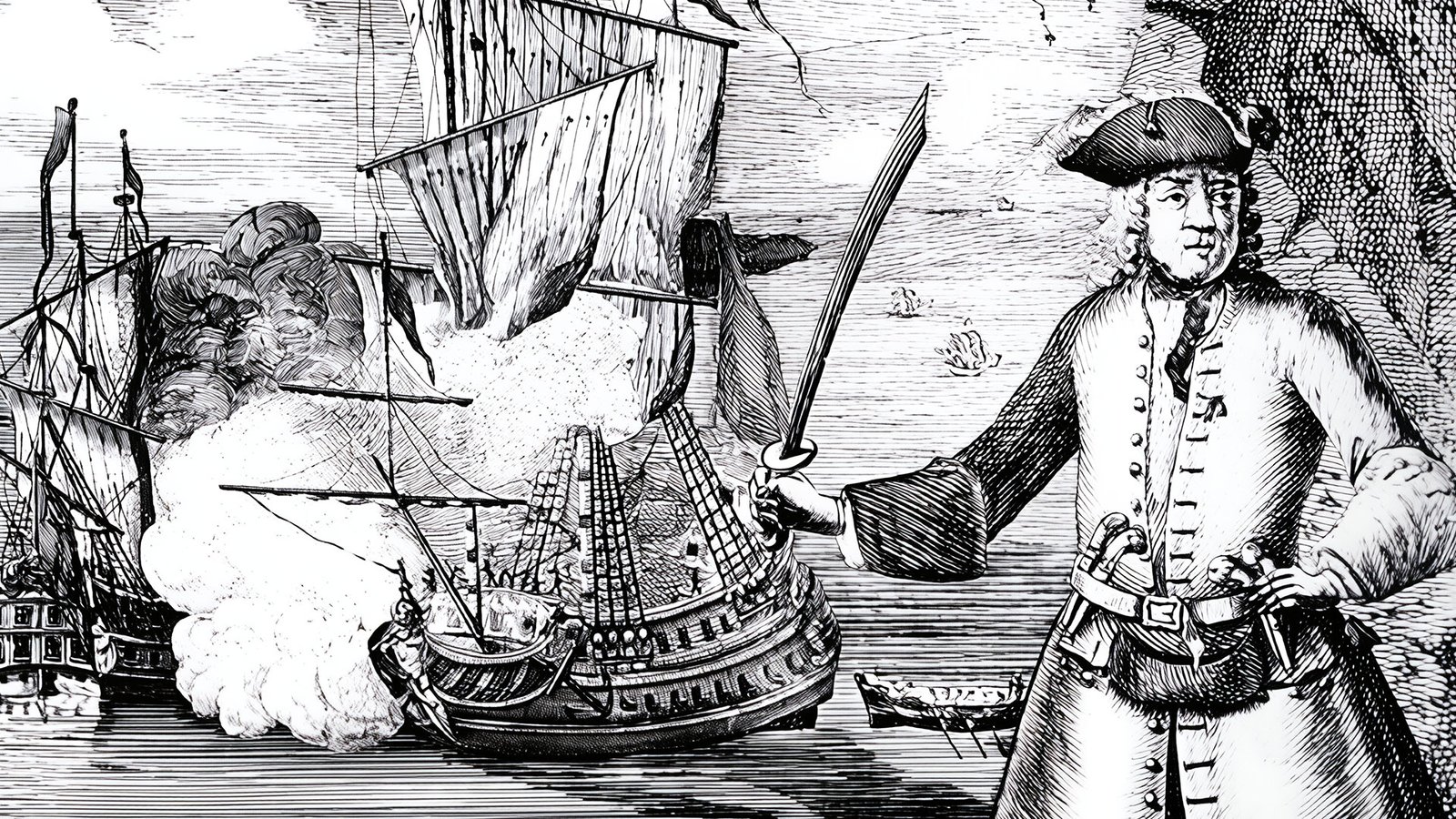
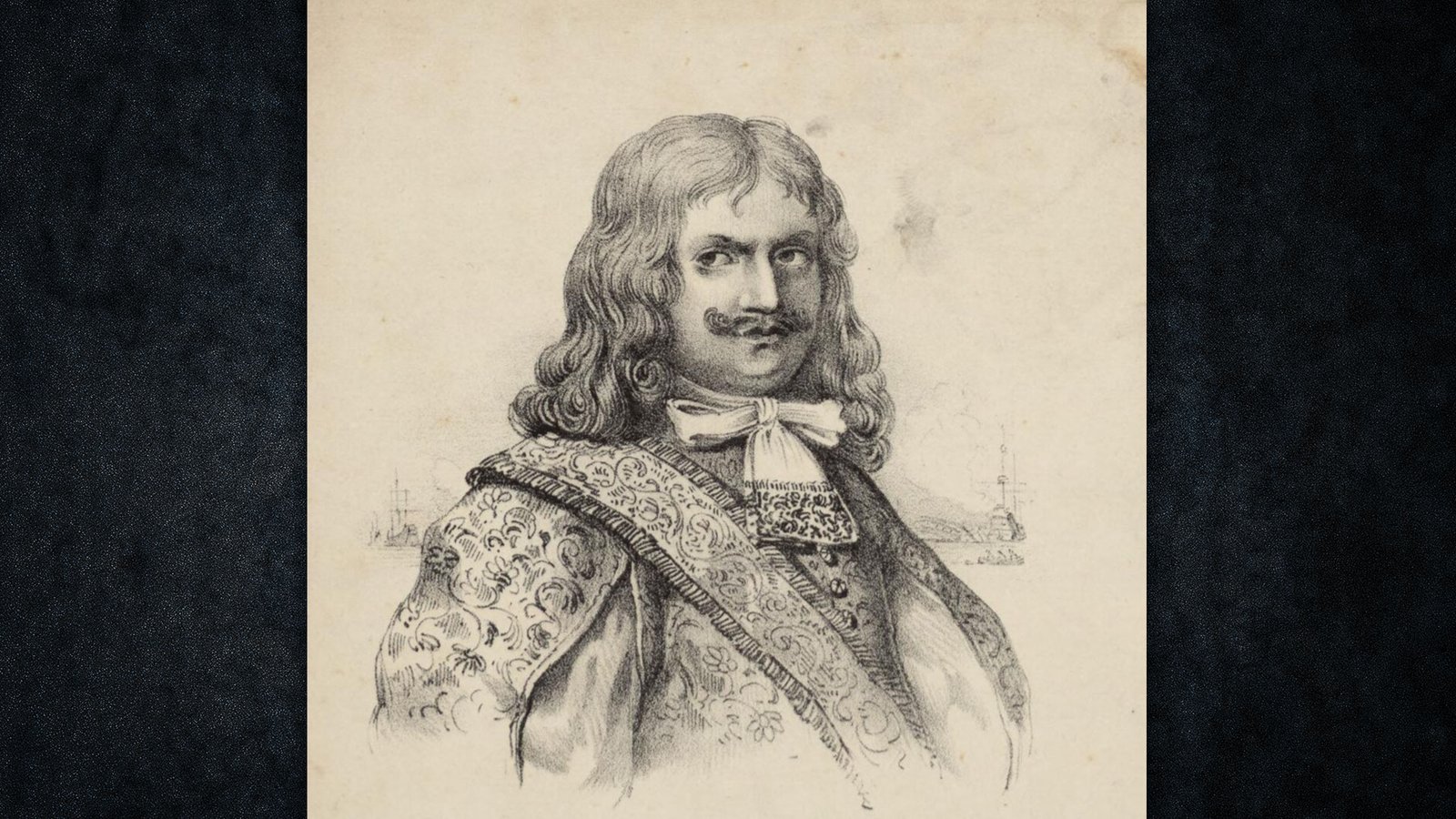
If Port Royal had a king, it was Henry Morgan.
Morgan was Welsh, born around 1635 in Llanrhymney, in what is now Cardiff. How he got to the Caribbean is a matter of debate. Perhaps he came as a soldier in the 1655 invasion. Or perhaps he had been “Barbadosed,” a grim euphemism for being kidnapped in Bristol and shipped to the West Indies as an indentured servant. Either way, by the early 1660s, he was in Jamaica, and he was rising fast.
Morgan wasn’t just a raider. Instead, he was a military commander who thought in terms of armies and sieges, not ambushes. First, in 1668, he captured the heavily fortified Spanish city of Portobelo in Panama, a feat so audacious that the Governor of Panama couldn’t believe it had happened. Then, in 1669, he sacked Maracaibo in Venezuela. Finally, in 1671, he did the unthinkable: he marched 2,000 buccaneers through the jungles of the Isthmus of Panama and took Panama City itself, the richest city in the Spanish Americas.
The plunder was enormous. Legend says the crew needed 150 mules to carry it all.
The Pirate Who Became Lieutenant Governor
There was just one problem, however. England and Spain had signed a peace treaty the year before. Morgan’s raid was technically an act of war during peacetime. The Crown arrested him and shipped him to London. And then, in a twist that could only happen in the seventeenth century, King Charles II knighted him and sent him back to Jamaica as Lieutenant Governor.
Just like that, the pirate became the law.
Morgan spent his last years presiding over Port Royal’s slow transformation from pirate haven to something approaching respectability. The colonial government passed anti-piracy laws in 1687. The city that had once welcomed raiders now hanged them at Gallows Point. Morgan himself died in 1688. Wealthy, respected, and buried with a 22-gun salute at the Palisadoes cemetery overlooking the harbor he’d made famous.
He would not rest there long.
📖 Connection to The Cats of Old San Juan: Captain Kitty the Kid and Henry Morgan would have recognized each other instantly. Two commanders who operated under the polite fiction that raiding and plundering was somehow legitimate when you had the right paperwork. The difference is that Morgan got to retire. Captain Kitty never did. Maybe that’s the real curse of a pirate who can’t die: you never get to stop.
June 7, 1692: The Earthquake That Ended Port Royal
Port Royal, 11:43 AM
The Reverend Emmanuel Heath was sharing a glass of wormwood wine with John White, the acting Governor, when the ground began to move.
It didn’t shake. Not at first. Instead, eyewitnesses described it as rolling, the earth moving in waves, like the surface of the ocean. Then the sand beneath Port Royal did something that the 6,500 people living on it had never imagined possible.
It liquefied.
The process is called liquefaction. Essentially, when an earthquake hits water-saturated sand, the ground stops behaving like solid earth and starts behaving like a thick, heavy fluid. Buildings don’t topple. They sink. Streets don’t crack. They swallow.
In under three minutes, two-thirds of Port Royal slid into Kingston Harbor.
Brick houses dropped into the sea with their inhabitants still inside. Fissures opened in the streets, snapped shut, opened again, crushing people where they stood. The ground buried some victims upright, their heads still above the sand. The church tower fell. Ships capsized. Remarkably, one frigate, the HMS Swan, had recently had its ballast removed for maintenance. The tsunami picked it up and set it down, upright, on top of the buildings where it had been moored.
A man named Lewis Galdy was swallowed by the earth, thrown back out by a second tremor, and hurled into the sea. He swam until a boat found him. Remarkably, he lived another 47 years. His tombstone in Port Royal still tells the story.
The Aftermath
The earthquake killed roughly 2,000 people instantly. Then the tsunami killed more. In the weeks after, disease swept through the survivors, since there was no clean water, no shelter, and corpses were everywhere. Another 2,000 or more were lost. In total, nearly half the city’s population was gone.
Furthermore, the sand that held Henry Morgan’s grave liquefied too. It slid into the harbor and took the pirate king with it. His body has never been found.
Today, Port Royal sits under forty feet of murky water. Brick walls and tavern floors and pewter plates, all preserved in the silt like an underwater Pompeii. Archaeologists have recovered a pocket watch, stopped at 11:43. The exact moment the wickedest city on earth went quiet.
🐱 Cat-History Fun Facts!
⚓ The Underwater Pompeii: Because Port Royal sank so quickly, entire rooms were preserved almost exactly as they were at 11:43 that morning. For instance, Texas A&M University spent ten years excavating the underwater ruins and found cast-iron skillets still sitting in hearths, stacks of pewter plates where they fell from shelves, and barrels full of everyday scraps. It’s one of the most important underwater archaeological sites in the Western Hemisphere, a frozen snapshot of life in a seventeenth-century pirate city.
⚓ The Pocket Watch That Stopped Time: Similarly, in 1959, explorer Edwin Link recovered a pocket watch from the sunken ruins, dated 1686. It had stopped at 11:43 AM, confirming the exact moment the earthquake struck. Time, frozen in the silt. Clearly, it’s the kind of detail a novelist would invent, except it’s real.
More Cat-History Fun Facts
⚓ The Montserrat Connection, A Fan Theory: Here’s something to chew on. Captain Kitty’s ancestors were originally sent to Barbados, where they escaped and fled to Montserrat. His namesake and many-greats grandmother, Kitty the Cat, was the very first pirate in the family line. Now, in the 1660s, Irish settlers from Montserrat were migrating to Jamaica in significant numbers, drawn by cheap land and the booming privateer economy. Consequently, by the late 1600s, roughly 10% of Jamaica’s landowners were of Irish descent, and about 25% of modern Jamaicans claim Irish ancestry.
So if some of Kitty the Cat’s descendants followed that same path from Montserrat to Port Royal, they might have been there when the ground gave way. It would explain a few things about Captain Kitty the Kid: that restlessness, that refusal to build anything permanent, that deep and abiding distrust of solid ground. A family that escaped Barbados, built a life on Montserrat, and then lost it all again when the earth turned to water. Just a fan theory. But it’s a good one.
What Comes Next
Port Royal sank, and the golden age of the Port Royal pirates sank with it. Yet the cats survived. They always do. A few swam. Others clung to wreckage. Still others were already aboard ships in the harbour when the city behind them vanished beneath the waves.
In the next post, we follow those survivors into the era of the Pirate Round, specifically the wild, globe-spanning voyages of the 1690s, when Henry Every pulled off the greatest robbery in pirate history and then vanished without a trace.
Stay tuned.
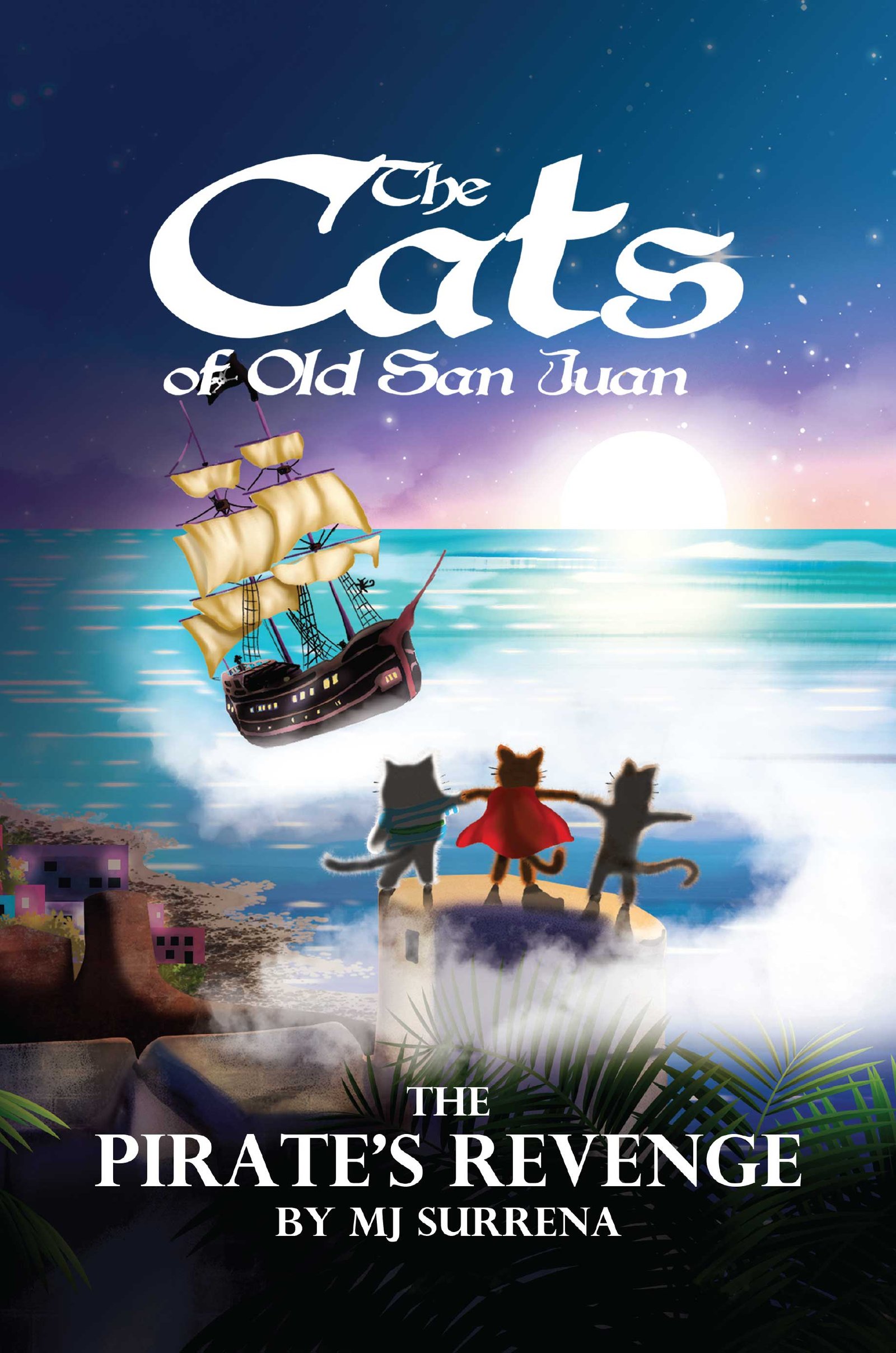
🏴☠️ Want to see what Captain Kitty the Kid does with all that pirate ambition? Grab The Pirate’s Revenge, the first book in The Cats of Old San Juan series, available as a signed hardcover, audiobook, and on Kindle.