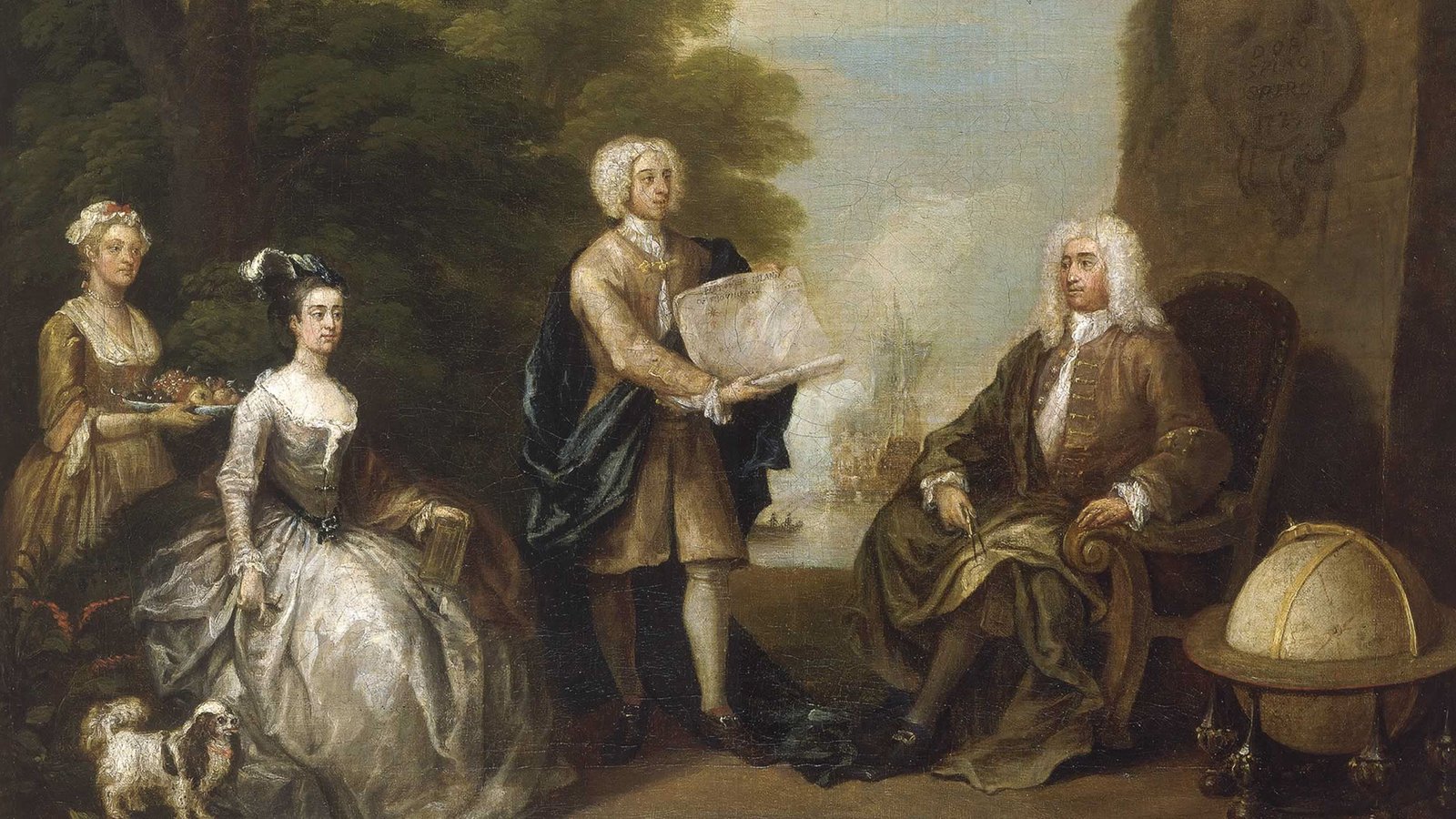
The Nassau Pirate Republic: The Real History of Pirate Cats · Part 5
Nassau, in the Bahamas, is a tourist destination now, but in the early 1700s it was little more than a town, just shacks on a white sand beach, a stone fort falling apart on the hill, and a governor’s house with no governor in it. The island is called New Providence, and for about five years, between 1713 and 1718, roughly a thousand pirates settled there with no one to stop them. The Nassau pirate republic became the closest thing the world has seen to a pirate nation.
If you’ve been following this series, you have some idea of how these types of things happen. Empires push people to the edges. The edges push back. But Nassau was different from Tortuga or Port Royal, which were pirate hangouts where raiders showed up, spent their money, got drunk, and left. Nassau was a place where pirates actually governed, as much as they could possibly govern. The cats that lived among them reaped everything their world had to offer, on a smaller scale.
How the Nassau Pirate Republic Was Born
New Providence, the Bahamas, 1703–1713
The short answer is that the British forgot about it.
Nassau had been a British settlement since the 1660s. They called it Charles Town originally, and it was never important to anyone. The Bahamas were too far from the major trade routes, the soil was too poor for sugar plantations, and the colonists mostly made their living picking through Spanish shipwrecks on the nearby shoals.
Then Queen Anne’s War happened. The French and Spanish attacked Nassau in 1703 and again in 1706, the settlers fled, and the British government, which was busy fighting a war in Europe, did nothing about it. From 1703 to 1718, there was no governor, and for fifteen years the town stood empty, with the ruins of a fort on the hill. But the harbor was good, and good harbors don’t stay empty for long. Little by little, the pirates came and “founded” their republic. It was a page out of history, that looking back, seems more like a myth or legend splashed upon the big screen but forgotten by the more sophisticated academics and writers of encyclopedias. We can only imagine the hard lives these sailors lived, bolstered by determined spirit and driven by the will to survive.
The Harbor That Made It All Possible
Why the Royal Navy couldn’t touch them
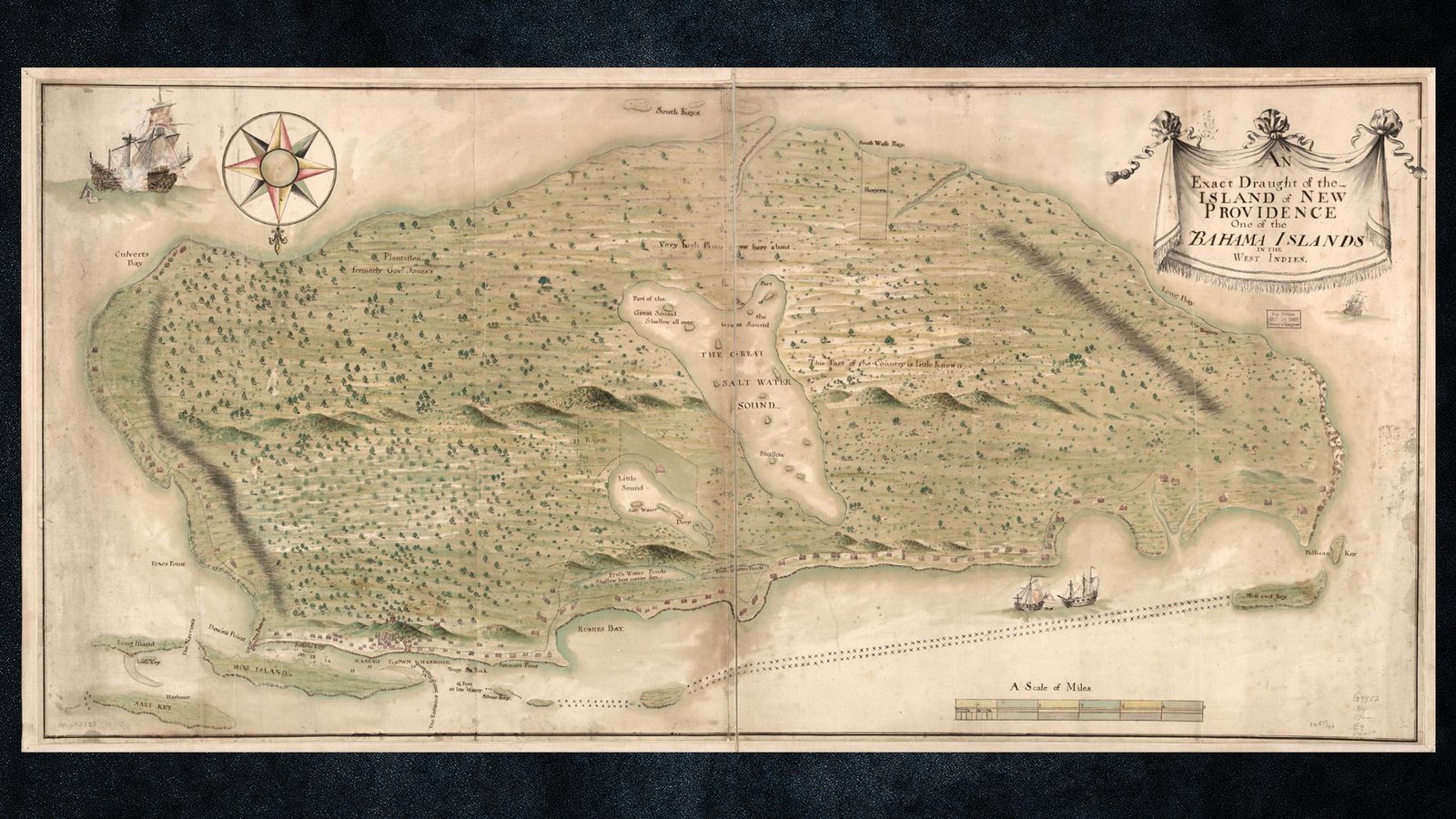
The reason the Nassau pirate republic worked was also because of its harbor. It was shallow. A good, shallow harbor.
A Royal Navy warship with heavy guns and a deep hull would scrape the bottom. A small, light pirate sloop, on the other hand, sat high in the water and could sail in and out with relative ease. Once inside the harbor, even the most powerful navy in the would couldn’t touch them.
Across the harbor sat Hog Island (today known as Paradise Island with the Atlantis resort). It is a long strip of land that acted as a natural wall against the waves and made the anchorage even better. It got its name from the large number of wild, roaming hogs.
Cat Paradise Before Paradise Island
Think about what that harbor would have looked like when the Nassau pirate republic was going full speed. I wish someone had painted it. Hundreds of boats crowded at anchor, fish guts in the water at all hours, and the camps along the beach a mess of canvas and rope and drying sails. As for the rats, well, if you’re storing food out in the open on a tropical island full of pirates, the rat population is going to be extraordinary, which means that if you were a cat who was good at catching them, you were eating very well.
The Flying Gang
Pirate democracy in action
The pirates didn’t set up a government in the traditional sense. Instead, they had was a loose group of captains who worked together when they felt like it and argued when they didn’t. They called themselves the Flying Gang.
Each pirate crew was a democracy. The crew elected their captain and their quartermaster, voted on where to sail, which ships to attack, and how to divide the loot. If a captain made bad decisions or got greedy, they voted him out. These were elections held on the quarterdeck where every man had one vote, no matter his rank.
On shore, the captains handled disputes and decided who anchored where. The Governor of Bermuda reported in 1716 that over a thousand pirates were living in Nassau, outnumbering the remaining civilians about ten to one. One captain, Thomas Barrow, went ahead and declared himself “Governor of New Providence” and said he was going to turn it into a second Madagascar. Nobody elected him. Nobody stopped him, either. That was the Nassau pirate republic for you. A thousand armed people who couldn’t agree on much of anything except that they’d rather be in charge of themselves.
The Two Captains Who Built the Nassau Pirate Republic
And the rivalry that defined it
Two men ran things in the early days, and they did not get along.
Benjamin Hornigold was a former privateer who had been around New Providence since at least 1713, a good captain and a tough disciplinarian, but considered himself loyal to the British crown and refused to attack British ships. French, Spanish, anyone else was fair game, but not British. He considered himself a patriot, not a criminal, and his crew eventually got fed up with this principle, since it meant sailing past a lot of money.
The more interesting thing about Hornigold, though, is who he trained. One of his crew was a young English sailor named Edward Thatch. You probably know him by his other name. Hint: He had a very black…beard.
Henry Jennings was the other power in Nassau. He was wealthy, had estates on both Bermuda and Jamaica, and he got into the pirate business through what might be the most audacious robbery in Caribbean history: the 1715 Spanish treasure fleet salvage camp.
The 1715 Treasure Fleet
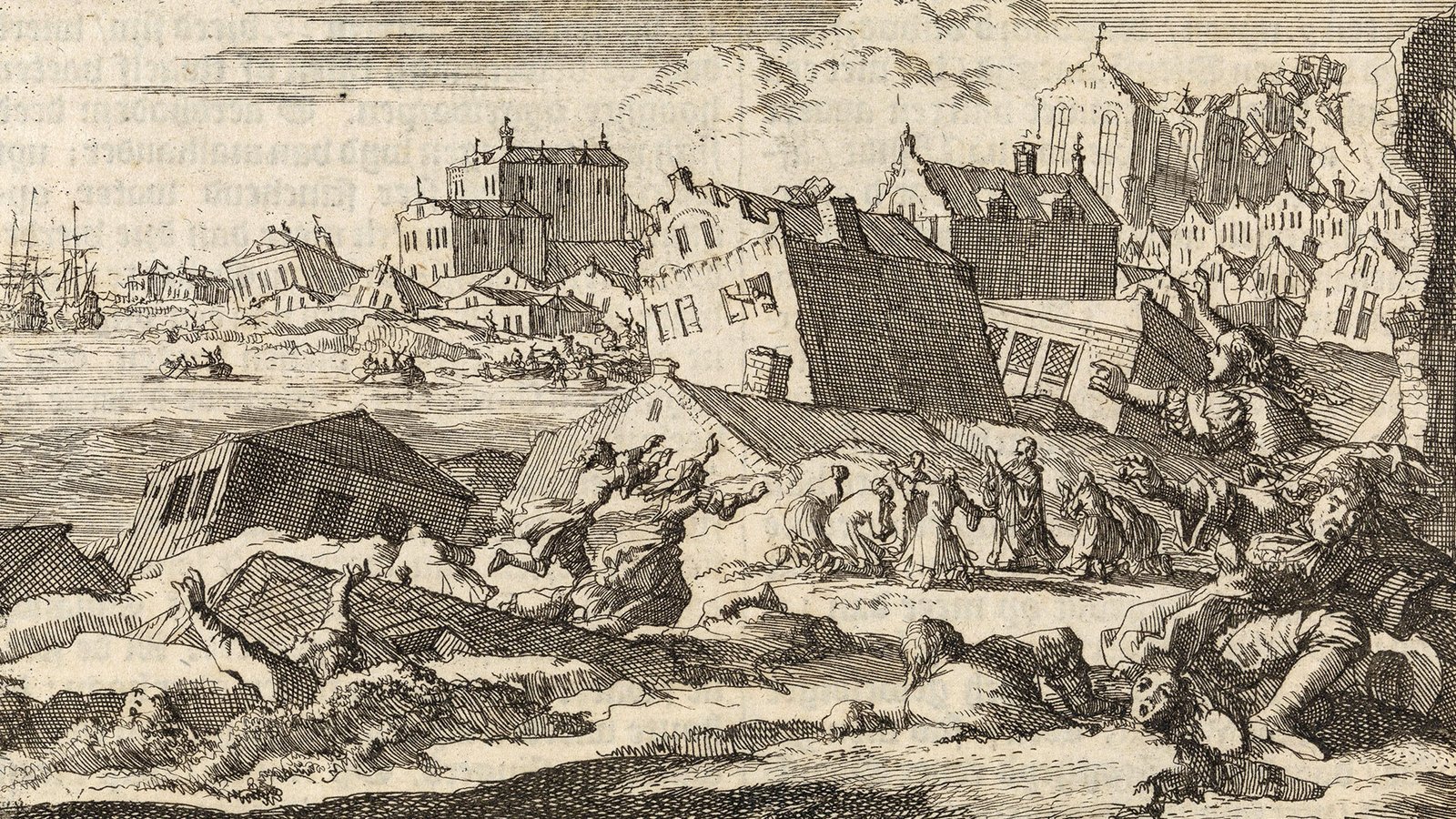
In July 1715, a fleet of twelve Spanish treasure ships loaded with gold and silver sailed out of Havana and ran straight into a hurricane. Eleven of the twelve ships sank. Nearly a thousand sailors died. About fourteen million pesos in treasure ended up scattered in the shallows off what is now Vero Beach, Florida. The Spanish set up a camp on the beach and started pulling up what they could.
Jennings heard about this and took two ships and about three hundred men, sailed north, and in December 1715 captured a Spanish mail ship. He got the exact location of the salvage camp from her captain. In January 1716, he showed up at the camp with his men, overpowered the sixty Spanish guards, and walked off with somewhere between £87,000 and 350,000 pieces of eight. The accounts don’t agree on the amount. What they do agree on is that it was, technically, piracy committed against another country’s disaster recovery effort.
When Jamaica declared Jennings a pirate and wouldn’t let him into port anymore, he went to Nassau, the one place that would take him, and word of all that easy Spanish treasure brought hundreds of others right behind him. In this way, the Nassau pirate republic went from a few hundred residents to over a thousand in under a year. Some of those newcomers would become legends: Sam Bellamy, Charles Vane, Edward England.
Democracy on the Quarterdeck
The most radical politics of the eighteenth century
There’s a popular image of pirate captains as dictators who barked orders, punished dissenters, and made captives walk the plank. This really wasn’t the case. Pirate crews depended on one another for their survival and success. They voted on almost everything. They voted on the ship’s articles, which was the code of conduct everyone signed before sailing. They voted on how to split the plunder and whether to attack a target or pass it by. They voted on the captain, and they voted on the quartermaster, whose job was to keep the captain honest and deal with the crew’s complaints. If the captain wasn’t working out, they replaced him. Imagine trying that in the Royal Navy.
A ship’s cat didn’t get a vote, of course, but any sailor will tell you that a cat has its own way of weighing in. If the ship’s cat slept in your hammock, you were considered lucky. If it refused to go near a certain part of the ship, smart sailors took note. If the cat wouldn’t board before a voyage, some crews refused to sail. In the Nassau pirate republic, where superstition and democracy ruled the day, the ship’s cat was like an unofficial advisor, not elected and not appointed, but very much consulted, in the way all cats are consulted, by everyone who knows better than to ignore them.
The Montserrat Connection
How the republic reached Captain Kitty
By the time the Nassau pirate republic was at its peak, the stories had spread everywhere. Most sailors, fisherman, and merchant captains in the Caribbean had heard about it. It came to Montserrat, that small steep island where Captain Kitty the Kid’s ancestors had watched everything they knew get destroyed in 1712. Soon, all learned that there was a place out there where a common sailor could be his own master, where nobody bowed to a king, and where even the lowest member of a crew had a voice.
Inspired by Nassau and other great pirates of the past. Captain Kitty the Kid would go on to build his own crew, his own rules, his own floating kingdom.
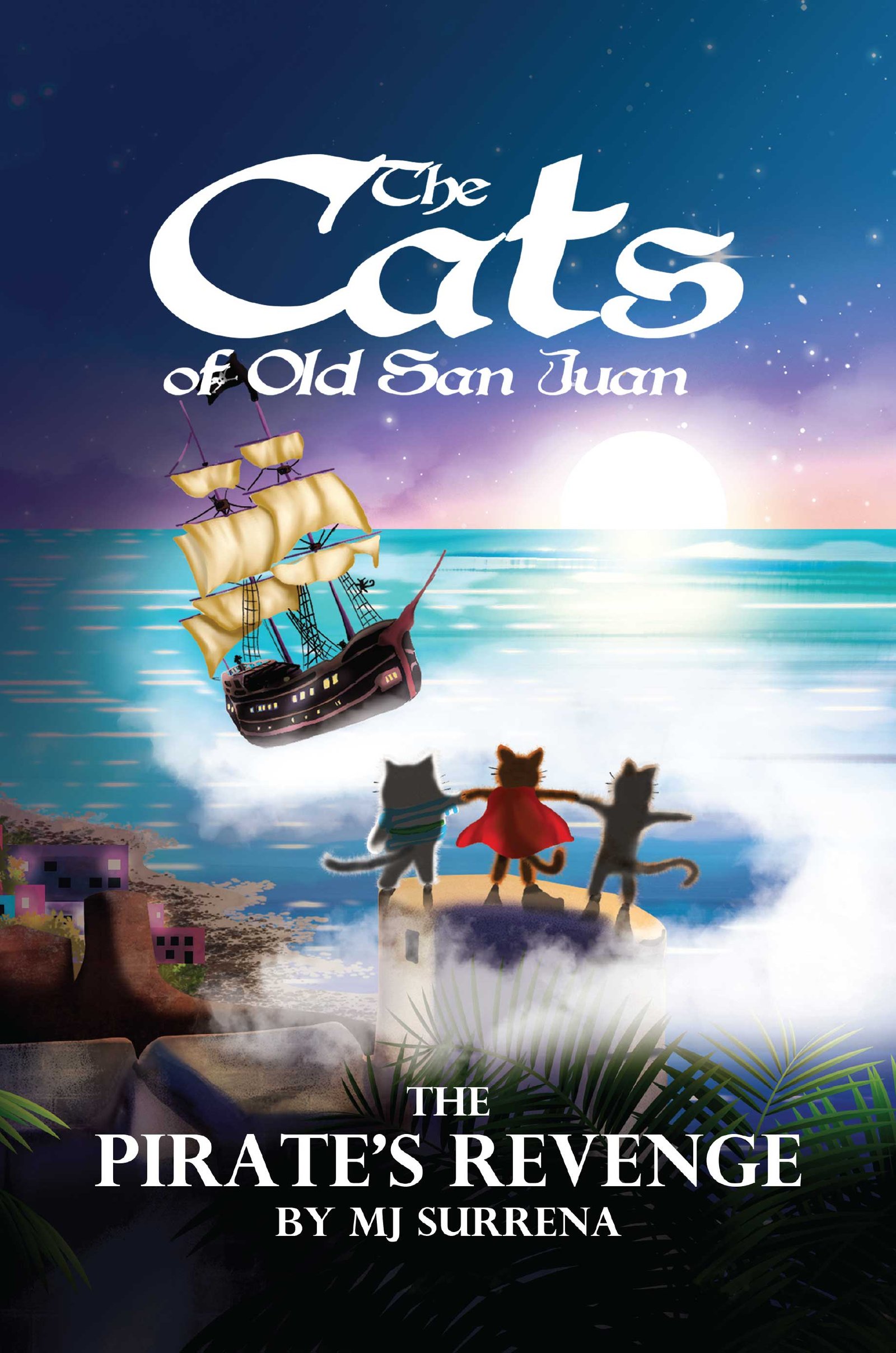
📖 Connection to The Cats of Old San Juan: The Nassau pirate republic proved that a crew of outcasts could build their own world, make their own rules, and answer to nobody. Captain Kitty the Kid carries that idea with him. His crew doesn’t bow to a far off crown or local governor. They’re an autonomous floating jurisdiction with a strict code. They vote, and they take what they need and split it among themselves. If you’ve read The Pirate’s Revenge, you know that Captain Kitty’s kingdom aboard The Salty Sea Cat looks a lot more like the Flying Gang than any royal navy. The republic didn’t last, but I’m sure Kitty thinks he will. Either way, a shared community, whether its pirates or people, can be a hopeful thing.
🐱 Cat-History Fun Facts!
⚓ The Thumbed Cats of the Bahamas: Polydactyl cats are cats born with extra toes, and they look like they have thumbs. They’re really common along the Caribbean coastline and the Eastern Seaboard of the United States. Sailors loved them because the extra toes gave them better grip on wet, slippery decks, which made them better climbers, which made them better mousers. In the Nassau pirate republic, where superstition ran deep and a good mouser was worth real money, a polydactyl cat would have been prized. The most famous polydactyl cats today live at the Ernest Hemingway House in Key West. There are about fifty of them, all descended from a six-toed cat a ship’s captain gave Hemingway in the 1930s.
⚓ Hog Island, Before It Was Paradise: The island across from Nassau’s harbor that everyone now calls Paradise Island was Hog Island in the pirate days. It was named for the feral pigs that wandered around on it, descended from hogs that British settlers had let loose as a food source. Imagine pirates rowing across the harbor to catch a pig for dinner while a ship’s cat perched on the gunwale of a beached dinghy, watching the whole affair from a safe distance, interested in the aftermath but not the effort. The pigs are long gone now, but the harbor they looked across is the same one Blackbeard used to anchor in.
More Cat-History Fun Facts
⚓ Pirate Democracy vs. Everyone Else: To understand how radical pirate governance actually was, consider this. In 1716, every single crew member on a pirate ship in Nassau had an equal vote. That same year, the Parliament of Great Britain represented less than 3% of the adult population, women couldn’t vote, men without property couldn’t vote, and a pirate had more of a say in how things were run than most British citizens did. I think about that whenever someone describes pirates as “lawless.” They had laws. They just wrote their own.
What Comes Next
The Nassau pirate republic was getting too big and too loud, and the merchants and colonial governors were writing furious letters to London demanding that someone do something about it. The Crown’s answer was a man named Woodes Rogers, a former privateer who knew exactly how pirates thought, arriving with the King’s Pardon in one hand and a noose in the other.
In the next post, we meet the people who had to make that choice: Blackbeard, Charles Vane, Anne Bonny, Mary Read, and Calico Jack Rackham. The Golden Age of Piracy is about to reach its peak, and it’s going to be spectacular.
🏴☠️ Captain Kitty the Kid built his own republic aboard The Salty Sea Cat. See how it holds up in The Pirate’s Revenge, the first book in The Cats of Old San Juan series. Signed hardcovers, audiobook, and Kindle available.