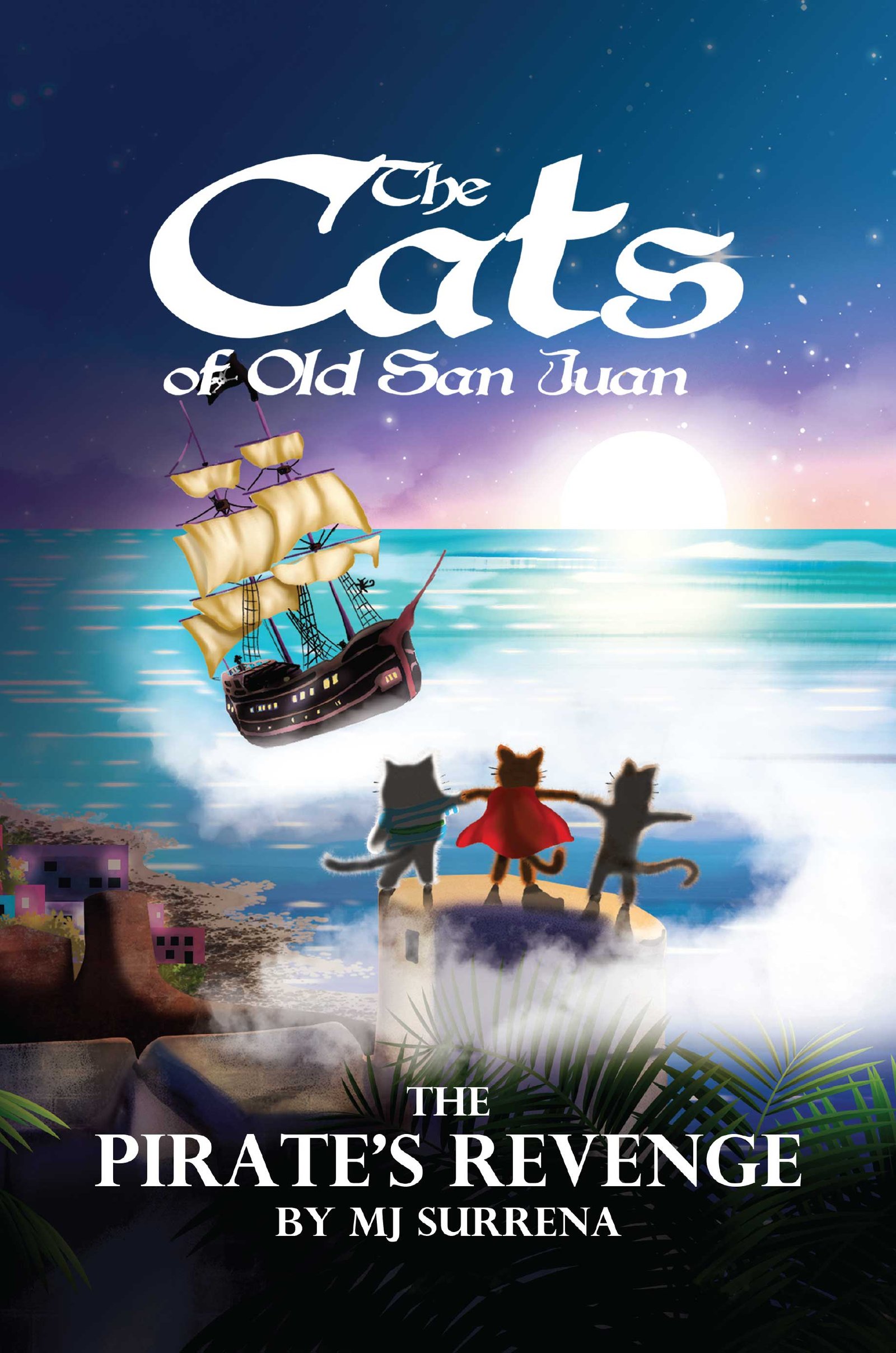
Because I have many dastardly pirate cat characters, I decided to delve deeper into the subject of piracy. After all, the island of Puerto Rico is entwined with tales of high-seas adventures and bloody buccaneers. Its strategic location made it a virtual “pirate magnet,” luring them with its bountiful harbors and secret coves. Pirates have helped shape the island’s cultural legacy, which continues to this day with the rumor of buried treasure they left behind.
Historical Context of Piracy in Puerto Rico
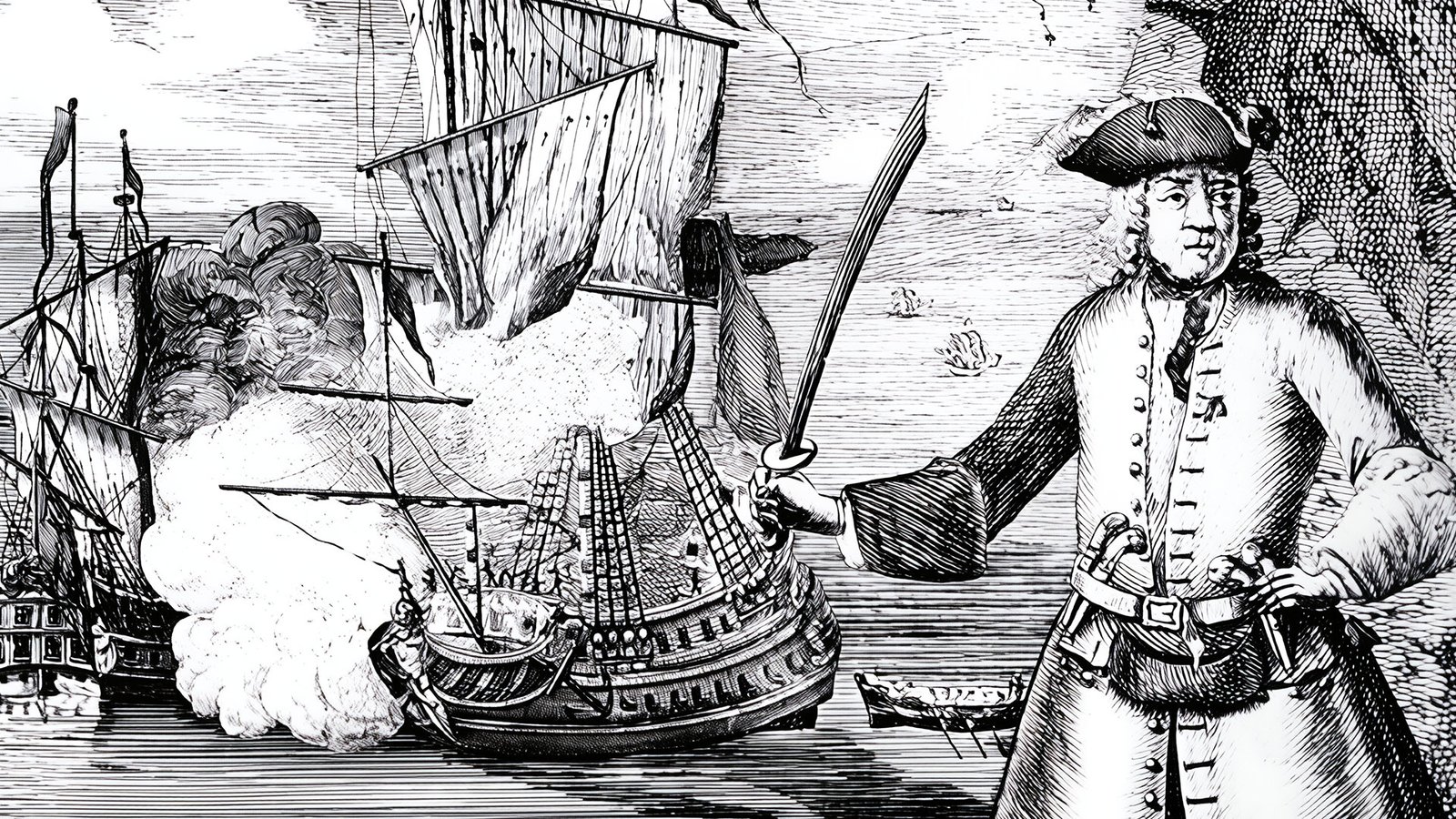
Between the late 1500s and the early 1800s, Puerto Rican waters were a hotbed for pirate activity. This era, often called the “Golden Age of Piracy,” saw the Caribbean transform into a chaotic battleground where pirates were key players. Puerto Rico’s role as a popular pit stop for merchant ships traveling from Europe to the Americas made it an attractive target for these sea bandits.
This was especially true because these merchant vessels had tons of gold, silver, spices, and other precious goods. With trade routes booming and political tensions on the rise, the seas were ripe for the taking. Governments got in on the action, too, hiring privateers (basically, pirates with a license) under official documents known as letters of marque to raid and loot ships from enemy nations. This practice often blurred the lines between legal privateering and full-blown piracy.
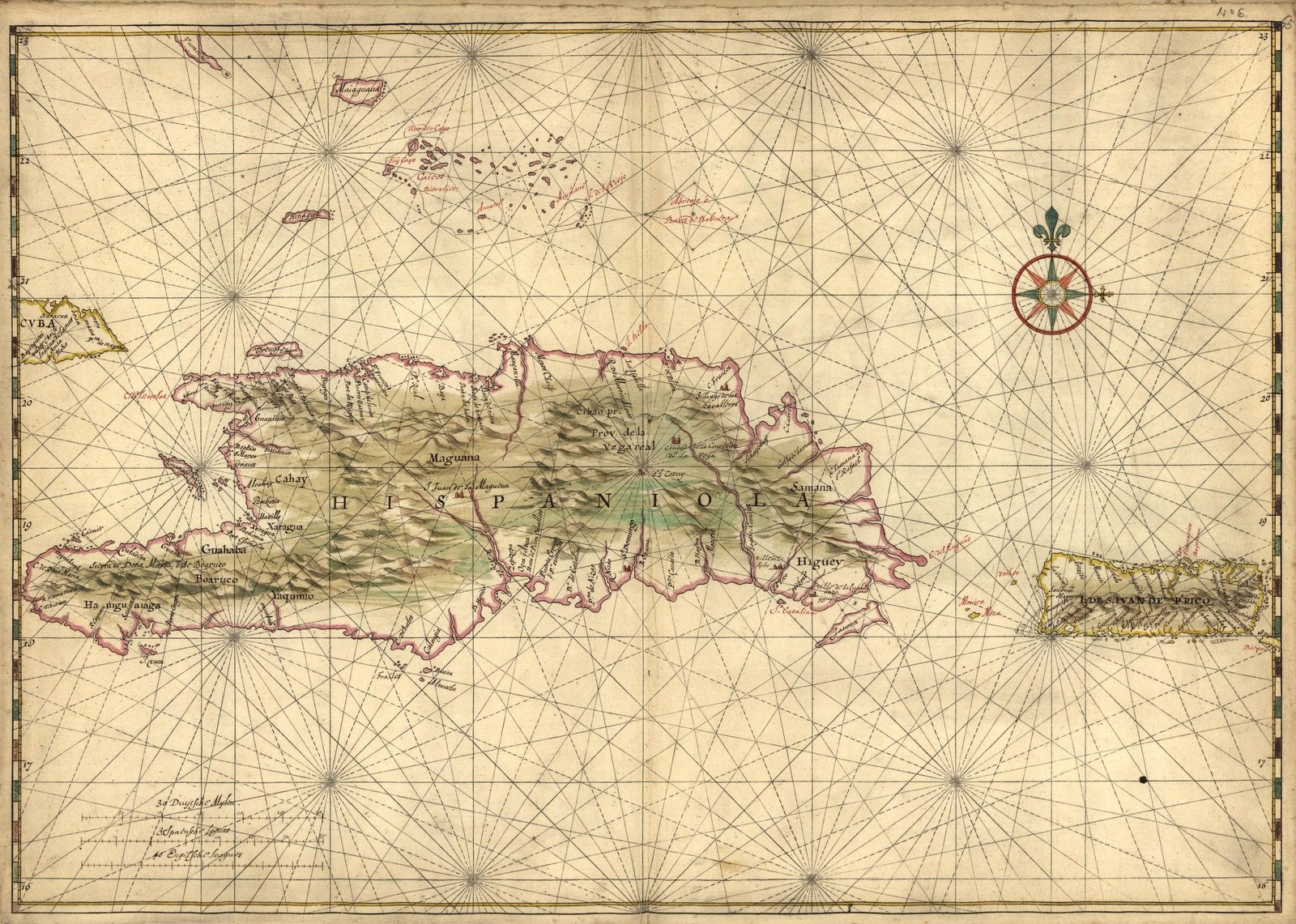
The fact that Puerto Rico was under Spanish rule added another layer to its piracy saga. The Spanish Crown fortified the island, especially the city of San Juan, to safeguard against other colonial powers and pirates. However, the island’s coastline was dotted with hidden bays and inlets, perfect spots for pirates to lay low.
All these factors – its strategic location, the booming colonial trade, and the intense rivalries of the era – solidified Puerto Rico’s status as a central hub in the turbulent world of Caribbean piracy.
Pirates could outwit merchants using smaller, quicker ships such as sloops and brigantines but still navigate challenging Caribbean waters. They could also quickly zip through shallow waters and sneak into secret bays and hideaways where larger ships couldn’t go.
While we like to romanticize the pirate life, they faced a myriad of challenges and hardships. They had to be tough and intelligent, understanding and navigating all the Caribbean Sea’s winds and currents. They had to be battle-ready but maintain peace within the communities of their own ships.
Roberto Cofresí: A Puerto Rican Legend in the World of Pirates
One of the most well-known pirates in Puerto Rico and much of the Caribbean is Roberto Cofresí. Tales of his historic deeds have intertwined with mythology, creating a larger-than-life figure who dominates tales of Caribbean piracy.
Born 1791 in Cabo Rojo to a well-to-do family, Cofresí began his career as a sailor, engaging in trade. It is said that severe socio-economic conditions, perhaps related to the loss of family fortune, contributed to his turn to piracy and also the desire for retribution against the colonial powers that dominated the Caribbean. The exact facts about what happened have been lost to history, but whatever the case, he became one of the most well-known pirates to sail the seas.
Cofresí, on his swift sloop known as “El Mosquito,” perpetrated many daring deeds. Some of his most famous escapades include the capture of the “Anne,” a heavily armed merchant brigantine. He is not remembered with such fondness because of his smarts, cunning, or even his bravery. Cofresí is often called a “Robin Hood” figure because he was said to share his take with the poor and less fortunate. Many see him as a defender against colonial exploitation.
Swathed in the mystery of the past, the tales of Cofresí’s deeds are intertwined with the promise of buried treasure. From the shores of Cabo Rojo to the depths of the El Yunque rainforest, the rumor of pirate gold has spurred countless treasure hunts. Some say it is hidden on the island of Mona, situated between Puerto Rico and the Dominican Republic. The island was frequented by Cofresí. Its caves and rugged terrain make it a perfect place to hide valuables.
In Puerto Rican culture today, Cofresí is remembered not just as a pirate but as a symbol of resistance against oppression, a complex character reflecting the island’s struggles during colonial times. His legacy, woven with stories of naval battles, acts of kindness, and elusive treasures, continues to captivate, making him one of Puerto Rico’s most enduring and fascinating historical figures.
The Decline of Piracy and Its Legacy in Puerto Rico
The winding down of piracy in Puerto Rico and across the Caribbean didn’t happen overnight. It was a slow change brought on by a bunch of factors. By the late 1700s and early 1800s, European navies flexed their muscles in these waters much more. They were enforcing tougher sea laws and patrolling like never before. Add to that the new treaties countries were signing and the fancy upgrades in naval battle tech, and suddenly, being a pirate wasn’t just risky—it was hardly worth the trouble.
Even though the pirates are long gone, they’ve left a significant mark on Puerto Rico’s heart and soul. Over here, pirates aren’t just seen as outlaws; they’re romanticized as these bold, free-spirited adventurers. Their stories—filled with thrilling treasure hunts and daring sea battles—have been woven into our culture. You’ll see this love for pirate lore in our art, books, and festivals, where pirate themes are a big hit.
Fast forward to today, and this whole pirate vibe plays a massive role in how folks see Puerto Rico, especially regarding tourism. Historical spots like El Morro and San Cristobal forts in Old San Juan are big crowd-pleasers. These were initially built to keep pirates at bay, but now they’re excellent places to visit. Some tours and events play up the pirate angle, drawing in folks who are super into exploring this wild and mysterious slice of Caribbean history. This mix of natural history and tall tales gives Puerto Rico its unique flavor and makes it stand out as a one-of-a-kind destination.
So, wrapping things up here, Puerto Rico’s pirate story is one heck of a ride—from their secret hideouts and legendary treasure tales to the gradual fade-out of their era and their lasting impact. It’s a chapter of history that’s not just fascinating; it’s downright inspiring. Suppose you’re up for a bit of adventure. Why not dive into this exciting part of Puerto Rican history and uncover the secrets and stories of its pirate legacy?