Henry Every: The Real History of Pirate Cats · Part 3
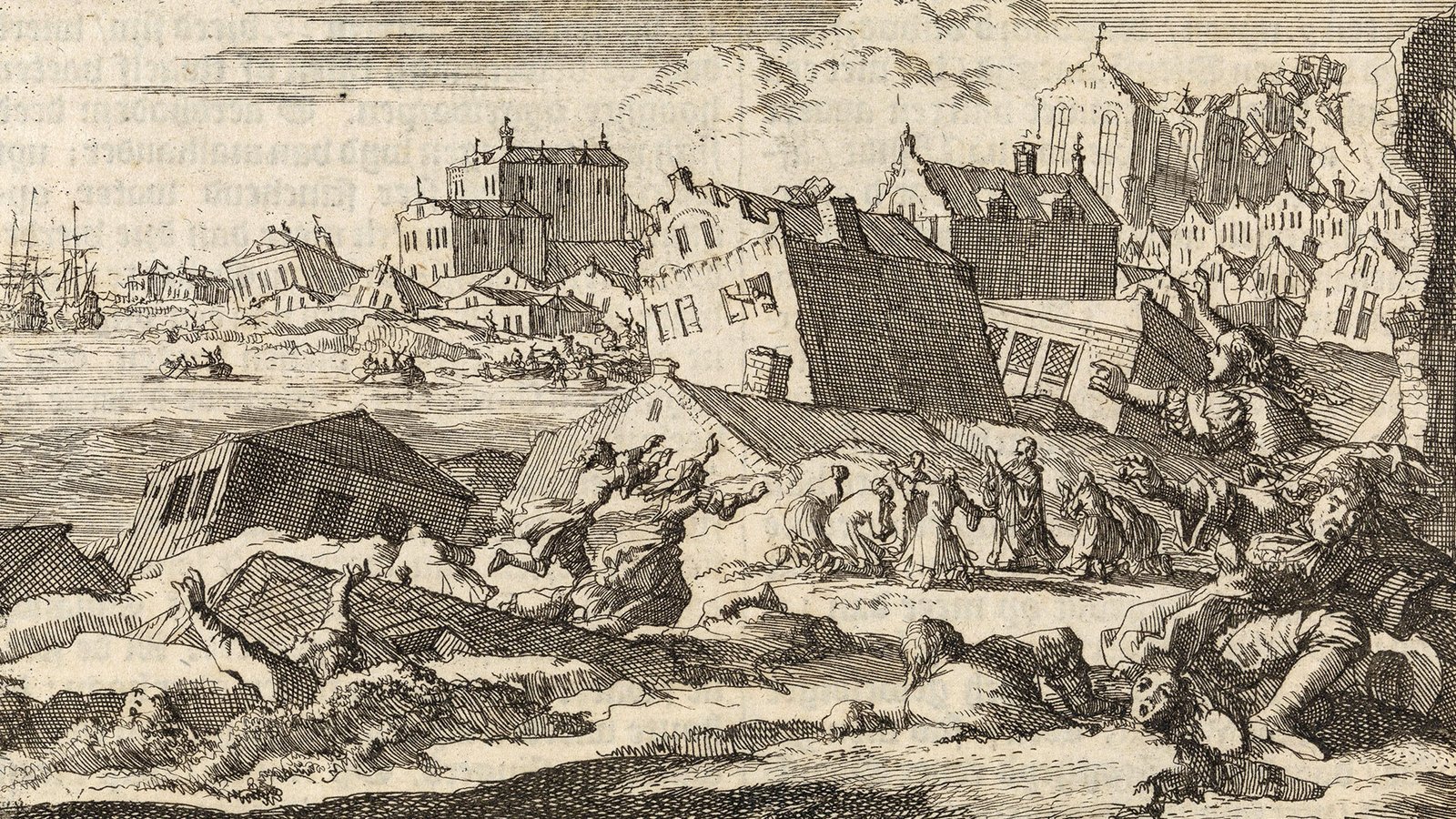
Port Royal was gone. The privateers were finished (for the moment). The Caribbean was crawling with Navy ships, and the Spanish treasure fleets weren’t what they used to be. For the pirate cats of the late 1600s, the golden harbours of the West Indies were starting to feel crowded, dangerous, and a little picked over. So the pirates did what pirates have always done when the hunting gets thin. They looked at the horizon and asked: what if we sailed further? The answer was the Henry Every pirate legend, the most audacious robbery in the history of the sea.
What if we sailed a lot further?
In other words, this is the story of the Pirate Round, the most ambitious voyage a pirate cat ever took. It started in the harbors of New York and the Caribbean, looped all the way around the southern tip of Africa, and ended in the richest hunting ground on earth: the Indian Ocean, the Red Sea, and the treasure ships of the Mughal Empire. The plunder was staggering. Similarly, the distances were impossible. And the man who pulled off the greatest robbery of the age simply vanished, and was never seen again.
A New Route
The Atlantic and Indian Oceans, the 1690s
By the 1690s, however, the Caribbean was changing. England had cracked down on piracy after Port Royal’s destruction. Meanwhile, the French and Spanish were building up their navies. And the old Letters of Marque that had protected the privateers were harder and harder to come by.
But halfway around the world, a different kind of wealth was moving across the water. Every year, enormous Mughal ships sailed between India and the Arabian Peninsula, carrying pilgrims to Mecca and bringing back holds full of gold, silver, jewels, silk, and spices. These ships dwarfed anything in the Caribbean. Indeed, they carried hundreds of passengers, hundreds of guards, and treasure beyond anything a Spanish galleon could match.
Some pirates, the bold and the desperate, started calling this new route the Pirate Round. The plan was simple in theory, insane in practice: sail from the American colonies or the Caribbean, south along the African coast, around the Cape of Good Hope, and set up a base on the island of Madagascar. From there, you could prey on the Mughal trade routes in the Indian Ocean and the Red Sea.
A Cat’s Journey Around the World
The voyage itself took months. For a cat born on the docks of a Caribbean port, the Pirate Round was the journey of a lifetime. First, the warm blue waters of the West Indies gave way to the cold swells of the South Atlantic. Then the stars changed overhead. The Southern Cross appeared where the North Star used to be. By the time the ship rounded the Cape of Good Hope, the cat had sailed further from home than any ancestor in its line had ever been.
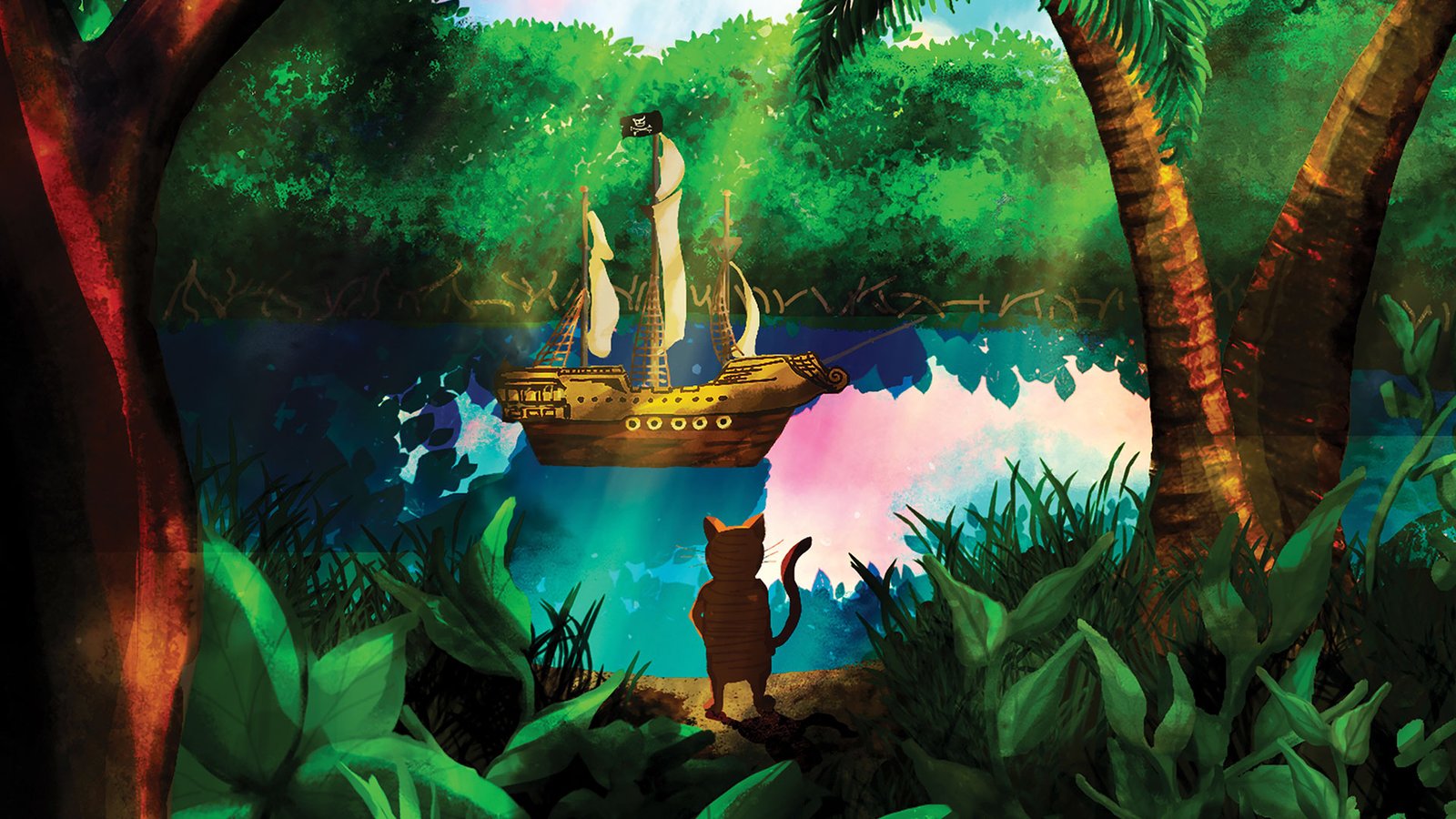
In addition, the smells changed too. Caribbean ships smelled like salt pork and tar and old fish. But the ships coming back from the Indian Ocean smelled like nothing a Caribbean cat had ever encountered: cinnamon, pepper, cloves, saffron. A whole new world of scent.
I think about a cat on one of those ships, standing on the bow as it rounds the tip of Africa, the wind coming from a direction it has never come from before, carrying smells it has no name for. Everything is new. Everything is enormous. And there is no turning back.
Henry Every: The King of Pirates
The Indian Ocean, 1694–1696
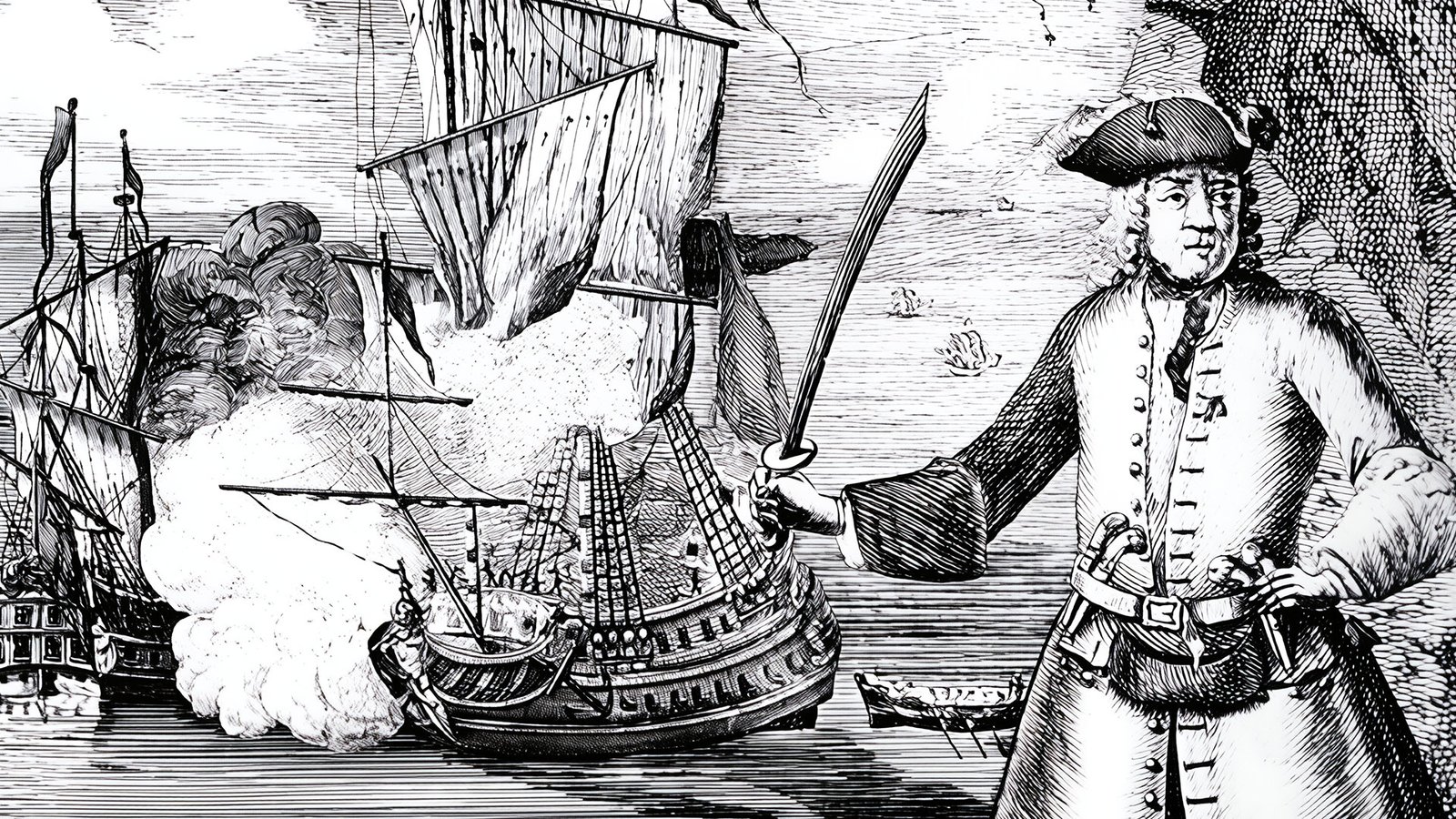
If the Pirate Round had a king, it was the Henry Every, also known as “Long Ben,” “Benjamin Bridgeman,” and later, the title his enemies gave him, the one that stuck: the King of Pirates.
Every was English, born around 1653 near Plymouth. Before turning pirate, he served as a Navy man, then a slave trader, then a mutineer. In 1694, while serving as first mate on a warship called the Charles II, the crew grew tired of waiting for their wages from Spain. So they mutinied. Every was elected captain. He renamed the ship the Fancy, and sailed for the Indian Ocean.
But Every didn’t just rename the ship. He rebuilt her. At Bioko, off the West African coast, he had the Fancy razeed: the upper decks were torn apart, ornamental carvings stripped away, every unnecessary timber ripped out and thrown overboard. Then the crew hauled her onto her side and scraped the hull clean of barnacles and weed. When they were finished, the Fancy was lighter, lower, and wickedly fast. One East India Company captain who encountered her described the ship as “too nimble” to catch. For the ship’s cat, the razeeing must have been days of absolute chaos. The familiar world above decks literally dismantled plank by plank, the sounds of sawing and splitting wood, the ship listing at strange angles during the careening. And then, when it was over, a faster ship beneath her paws. A ship built for one purpose: to run down anything on the ocean.
His pirate career lasted just two years. Yet in those two years, he pulled off what many historians consider the most profitable pirate raid in recorded history.
The Raid on the Ganj-i-Sawai
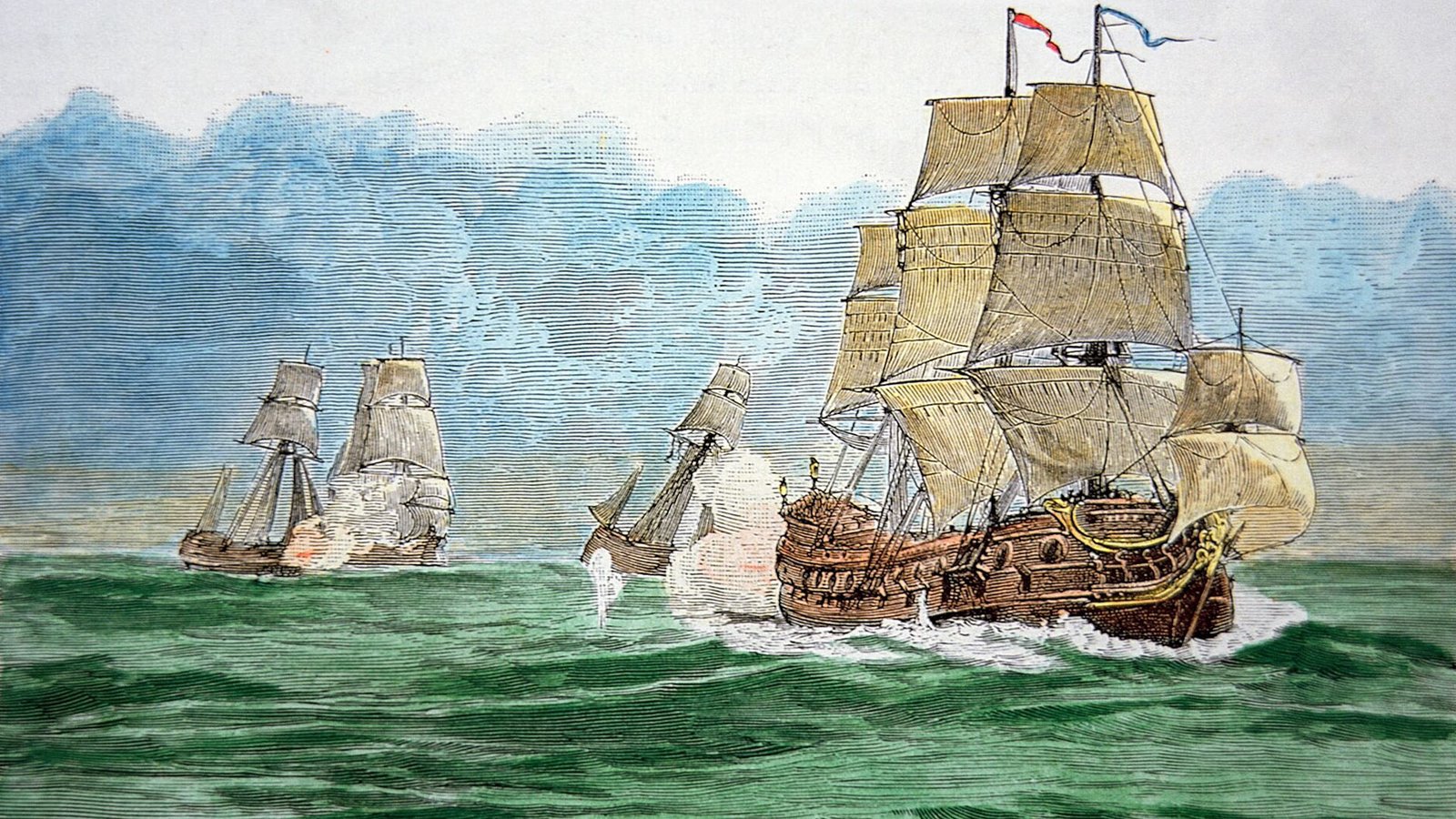
In August 1695, Every and the Fancy reached the Straits of Bab-el-Mandeb, the narrow chokepoint between the Red Sea and the Gulf of Aden. There, he joined forces with five other pirate ships, giving himself a small fleet of around 440 men. They were waiting for the Mughal convoy: 25 ships returning from Mecca to Surat, India, loaded with pilgrims, merchants, and treasure.
The convoy slipped past them in the night. However, two ships fell behind. The first, the Fateh Muhammed, carried treasure worth roughly £50,000. Every took it with minimal resistance.
Then he spotted the real prize. The Ganj-i-Sawai.
The name means “Exceeding Treasure,” and it earned it. Specifically, the Ganj-i-Sawai was a floating fortress: 62 cannons, 400 armed guards, 600 additional passengers, and a hold full of gold, silver, and jewels belonging to the Mughal Emperor Aurangzeb himself.
Every attacked anyway.
In the opening volley, one of the Ganj-i-Sawai’s own cannons exploded, killing its gunners and throwing the defenders into chaos. Every’s broadside took down the mainmast. His crew boarded. Then a brutal hand-to-hand battle followed, lasting two to three hours. When it was over, the pirates had won.
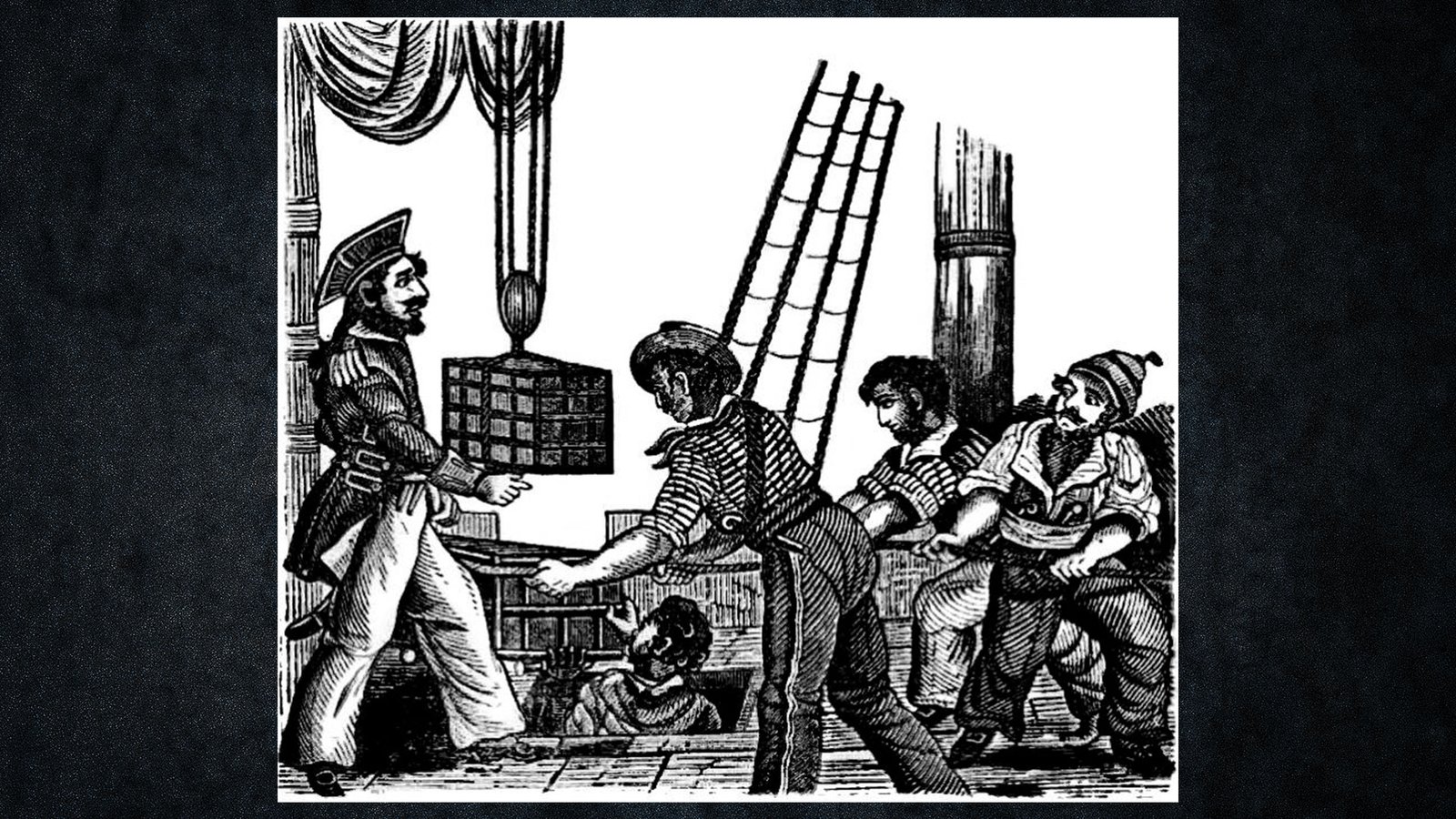
As a result, the plunder was estimated at between £325,000 and £600,000, an almost incomprehensible fortune. In modern terms, that amounts to hundreds of millions of dollars. Split among the Fancy’s crew of roughly 113 men, each pirate received enough money to live on for the rest of his life.
The Disappearance
The Henry Every pirate legend was born from what happened next. Every slipped away from his pirate allies in the night, keeping the lion’s share of the treasure for himself. He sailed to the Bahamas, bribed the governor, and then… disappeared. Completely. Consequently, the English government, under pressure from the furious Mughal Emperor (who had shut down English trade across India), launched what historians call the first truly global manhunt. Bounties were posted across the world.
They never found him.

Perhaps he retired to a tropical island. Others say he was cheated by merchants and died penniless in England. The truth is, nobody knows. Henry Every is the pirate who got away. His cat, presumably, got away with him.
📖 Connection to The Cats of Old San Juan: Every’s raid on the Ganj-i-Sawai is the kind of once-in-a-lifetime score that Captain Kitty the Kid would understand in his bones. One great prize, taken by audacity and violence, and then the open sea. The difference is that Every had the sense to disappear afterward. Captain Kitty keeps coming back.
Madagascar: The Pirate Crossroads
The Indian Ocean, 1690s–1700s
While Every vanished, other pirates on the Round still needed a place to rest, refit, and spend their money. They found it on Madagascar.
The island was enormous, wild, and beyond the reach of any European navy. Its northeast coast, particularly the small island of Sainte-Marie (Nosy Boraha), became a pirate haven to rival anything the Caribbean had ever produced. Ships could careen and repair in sheltered harbours. Furthermore, fresh water and food were plentiful. The Malagasy people traded with the pirates and, in time, intermarried with them. The children of these unions, known as the Malata, formed their own communities and their own political power.
For a pirate cat, Madagascar must have been extraordinary. Instead of iguanas, there were lemurs. Instead of familiar Caribbean insects, there were chameleons the size of your paw. Strange birds, strange trees, strange sounds. A jungle nothing like the Caribbean jungle, because this one had been an island for sixty million years and had evolved its own rules entirely.
The Myth of Libertalia
Now, you may have heard of Libertalia, the legendary pirate utopia supposedly built on Madagascar’s coast, where all were equal, slavery was abolished, and pirates governed themselves by democratic vote. It’s a wonderful story. It appears in a 1724 book called A General History of the Pyrates, and it has inspired everything from novels to video games.
It’s also almost certainly fiction. Scholars have found no archaeological evidence of Libertalia and no historical record of its supposed founder, Captain Misson, outside of that one book. In fact, the consensus among historians is that it was invented, probably by the author Daniel Defoe, as a kind of political fable about what a just society might look like.
But here’s the thing: the real pirate settlements on Madagascar were fascinating enough without the legend. After all, pirates really did build communities there. They really did trade with the Malagasy, raise families, and create something that looked, in its rough way, like a new kind of society on the edge of the known world. The truth doesn’t need the myth.
Why the Henry Every Pirate Story Matters
For everything that comes next
Henry Every’s raid did something more than make one crew impossibly rich. Most importantly, it made piracy famous. Plays were written about him. Ballads echoed through London taverns. Pamphlets circulated across Europe. Clearly, the story of a common sailor who stole the Mughal Emperor’s treasure and vanished without a trace was the most exciting thing anyone had heard in years.
As a result, it planted an idea in the head of every underpaid, overworked, badly fed sailor in the Atlantic: what if that could be me?
Consequently, over the next twenty years, that idea would explode into what we now call the Golden Age of Piracy. Thousands of men (and a few remarkable women) would hoist the black flag, not because they were born criminals, but because the Henry Every pirate story had proved it was possible to steal a fortune and get away with it.
Of course, he was wrong. Almost none of them got away with it. But the dream was powerful enough to change the world.
🐱 Cat-History Fun Facts!
⚓ The Ship’s Biscuit Problem: On a two-year Pirate Round voyage, food was a constant crisis. The ship’s biscuit, a rock-hard bread meant to last months, inevitably became infested with weevils. Sailors learned to eat in the dark so they wouldn’t have to see what was crawling in their food. Meanwhile, the cats earned their keep in a new way: they weren’t just catching rats anymore, they were the last line of defense against an entire ecosystem of insects and vermin that could spoil a ship’s provisions. On a voyage this long, a good ship’s cat wasn’t a luxury. It was survival.
⚓ Stars They’d Never Seen: Similarly, a pirate cat sailing the Round would have experienced something its Caribbean ancestors never had: a completely different sky. Specifically, south of the equator, the North Star disappears below the horizon and the Southern Cross rises in its place. The constellations are unfamiliar. The seasons are reversed. For an animal whose instincts are tuned to light and darkness and the rhythm of the stars, it must have been profoundly disorienting.
⚓ The Pocket Watch and the Emperor: Furthermore, when Every’s crew looted the Ganj-i-Sawai, they didn’t just steal gold. They triggered an international crisis. The Mughal Emperor Aurangzeb shut down English trade across five Indian port cities, arrested English merchants, and threatened to destroy the East India Company entirely. The English government had to pay enormous reparations. In short, one pirate raid, committed in the Indian Ocean, nearly collapsed Britain’s most important trading company on the other side of the world. That’s how big the Pirate Round stakes were.
What Comes Next
Overall, the Pirate Round proved that the world’s oceans were one connected hunting ground. But the pirates who followed Every wouldn’t need to sail around Africa. Instead, they’d find everything they needed much closer to home.
In the next post, we enter the era of Queen Anne’s War: the thirteen-year conflict that trained thousands of privateers, then fired them all. The fuse that lit the Golden Age of Piracy.
Stay tuned.
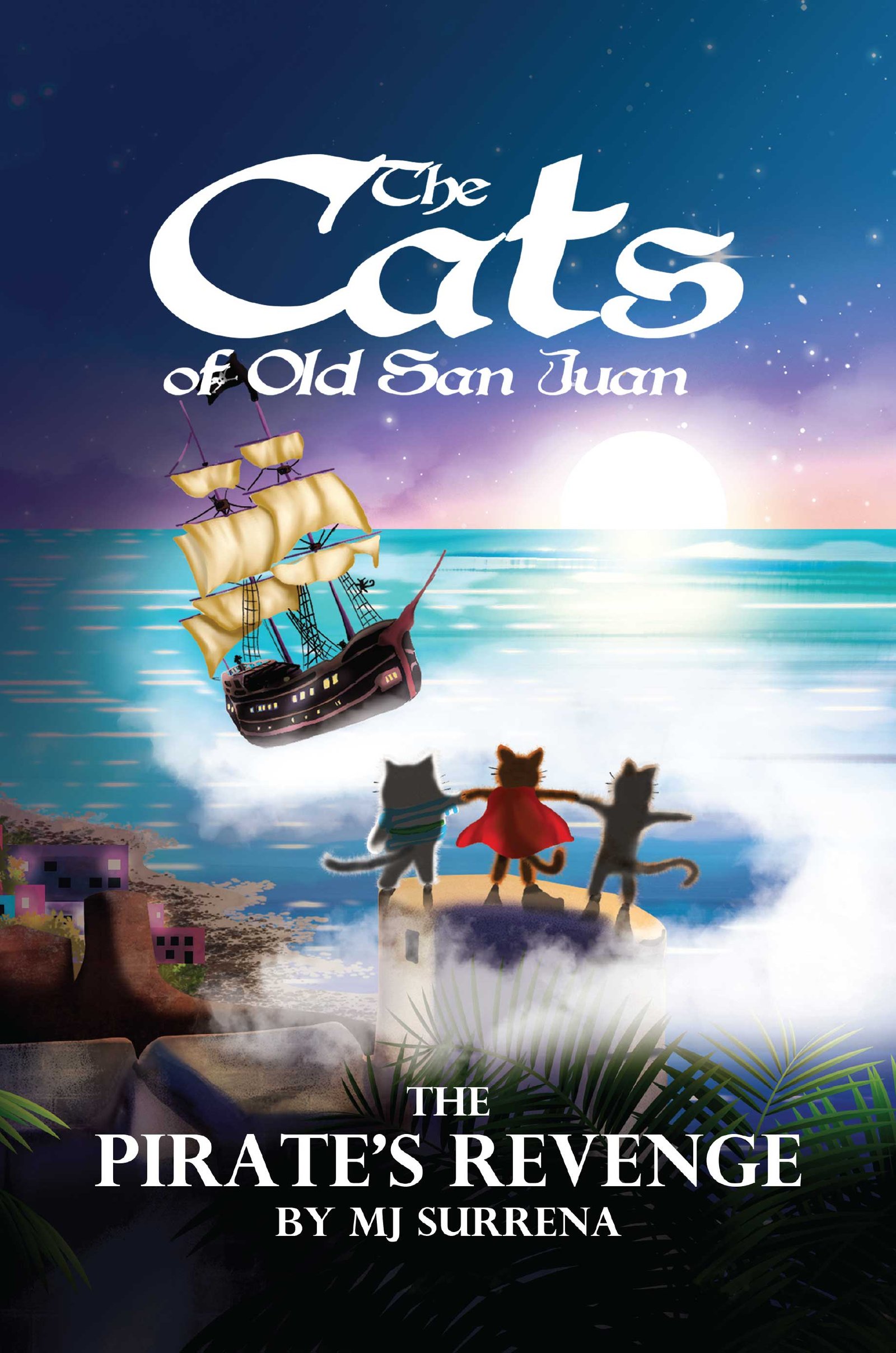
🏴☠️ Captain Kitty the Kid would have loved Every’s style. See what he does with it in The Pirate’s Revenge, the first book in The Cats of Old San Juan series. Signed hardcovers, audiobook, and Kindle available.